Regenerative Braking vs Friction Braking: What’s Different?
Regenerative braking slows the car with the drive motor; friction braking uses pads and rotors. Friction takes over at very low speeds, during hard stops, with a full battery, with a cold pack, or when traction is limited. Miss the difference, and you can mistake normal regen changes for a hydraulic fault, or miss real brake trouble. This guide explains how each system feels, when one hands off to the other, and what changes with battery state, temperature, traction, and software settings.
| Decision factor | Regenerative braking | Friction braking | Winner |
|---|---|---|---|
| Energy use | Can return some motion energy to the battery during slowing. | Turns motion into heat at the pads and rotors. | Regenerative braking |
| Low-speed stopping | Often tapers off near a stop and may not hold the car still by itself. | Can finish the stop and hold the vehicle at zero speed. | Friction braking |
| Hard braking | Limited by motor capability, traction, battery acceptance, software decisions, and operating conditions. | Provides the remaining deceleration when more braking is requested than regen can deliver. | Friction braking |
| Wear and maintenance | Usually reduces brake wear because it handles part of the slowing. | Still needs periodic inspection because pads and rotors do the mechanical stopping. | Regenerative braking |
| Consistency when the battery is full or cold | Can be reduced or capped when battery acceptance is limited. | Stays available when regeneration is insufficient. | Friction braking |
What each braking system does
Regenerative braking: motor, battery, and recovery
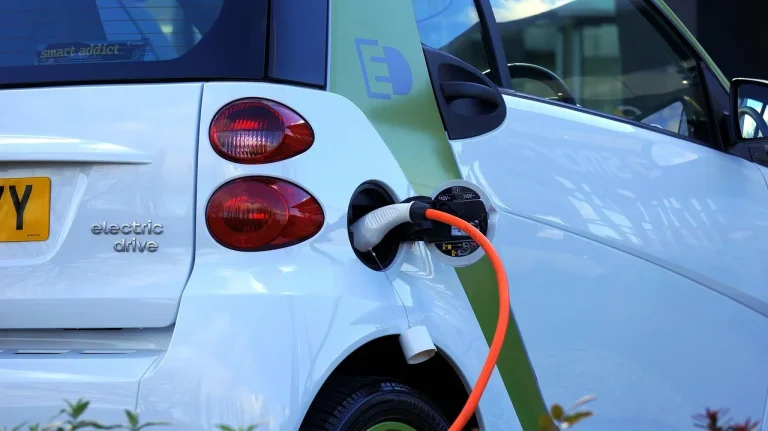
Regenerative braking uses the traction motor as a generator. During deceleration, the motor resists wheel rotation, converts kinetic energy to electrical energy, and sends that energy to the high-voltage battery if the battery can accept it. Many EVs begin this lift-off deceleration when the driver releases the accelerator, and some models also apply it through the brake pedal. The U.S. Department of Energy explains that regenerative braking recovers energy that would otherwise be lost as heat, and owner manuals from EV makers describe similar behavior and limits.
The key point is control. Software decides how much regen the motor can deliver, and the battery decides how much recovered energy it can store. Kia says regenerative braking converts braking energy into electricity stored in the car’s battery, and that nearly full battery state leaves limited capacity to store more.
Friction braking: pads, rotors, and heat
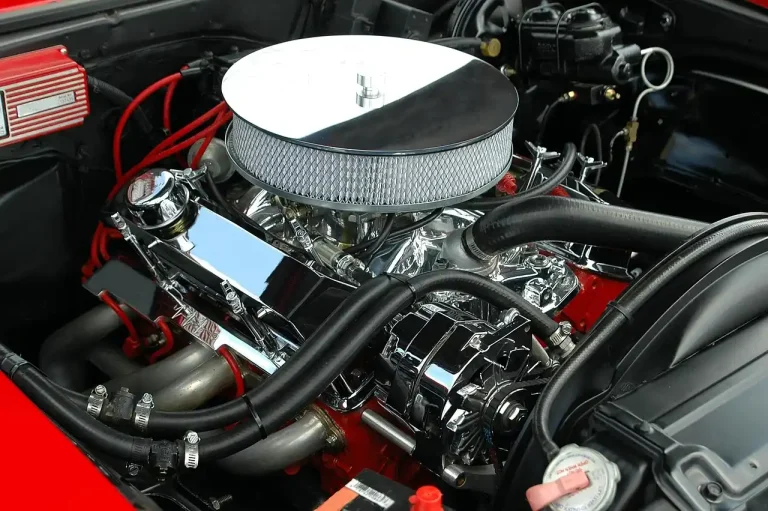
Friction braking uses pads, rotors, or equivalent mechanical components to create stopping force at the wheels. That force turns motion into heat. The hydraulic brake circuit then applies braking force through the master cylinder and slave cylinders or pistons in traditional systems, often with power brake or servo assistance.
This system is the backup and the finishing tool. Every road-going EV retains a friction-brake system, and the friction brakes supply remaining deceleration when the driver asks for more braking than the motor can provide. Brake pads and rotors still need inspection and service because they do real work whenever regen is capped or blended out.
Why both systems can act together
Most EVs and hybrids blend the two. The vehicle can use regeneration for part of the slowdown and add friction braking for the rest, especially when the driver asks for a firm stop or the car needs to hold a very low speed. Mechanic Insider notes that a hybrid or electric vehicle can slow using its electric drive system and its friction brakes. That blended behavior is also described in manufacturer owner resources, including Tesla and Kia manuals.
This blend is normal. It also explains why pedal feel can change from one model to another, or after a software update. The same pedal movement may trigger different mixes of regen and friction depending on speed, traction, battery state, and vehicle settings.
The trade-off is simple. Regenerative braking saves some energy and can make everyday slowing easier on the friction parts, while friction braking gives the strongest and most predictable mechanical stop when the vehicle needs it. The driver usually feels regen first during lift-off or light pedal use, then feels friction join in for hard stops, low speed, or conditions that limit recovery. In practice, the system choice is often automatic, so the important question is not which one exists, but which one is doing most of the work in that moment.
| Scenario | Primary system | What the driver feels | Normal or worth inspection |
|---|---|---|---|
| Lift-off in city traffic | Regenerative braking | Noticeable slowing as soon as the accelerator is released | Normal |
| Hard brake application | Friction braking | Firmer pedal, stronger deceleration, and the car may dive more than in light slowing | Normal |
| Full battery | Friction braking | Less lift-off drag or a weaker first phase of pedal braking | Normal |
| Cold battery | Friction braking | Regen feels weaker than usual until the pack warms up | Normal |
| Downhill coast | Regenerative braking | Controlled slowing without much pedal use, if the battery can accept energy | Normal |
| One-pedal mode | Regenerative braking | Strong lift-off deceleration, often enough for routine slowing | Normal, if the manual says so |
| Low traction | Friction braking | Less aggressive regen, more reliance on the mechanical brakes | Normal |
| Stop feels unusually long or the car rolls farther than usual at the end | Friction braking should be present, but the system may be underperforming | Different stop length, inconsistent pedal feel, or a change that is not explained by battery state or drive mode | Worth inspection |
Energy recovery versus heat
Regeneration has an efficiency advantage because it can return some motion energy to the battery. Friction braking cannot do that; it turns that same motion into heat at the pads and rotors. That difference matters most in stop-and-go traffic, where repeated slowing creates many chances to recover energy.
What slows the car first
Lift off the accelerator in many EVs and regen often starts first. Press the brake pedal and the car may still begin with regen, then add friction as demand rises. The exact split depends on the vehicle, because the owner’s manual and software settings control regen strength and behavior. Manufacturer owner resources commonly describe this as blended braking, where the car uses available regeneration first and adds hydraulic braking as needed.
What stops the car fully
Friction braking is the part that finishes the stop when the car needs to stop completely. Regen may slow the vehicle heavily, but it may not bring it to a dead stop or hold it at a standstill. That is why normal blended braking still depends on the hydraulic brake circuit and wheel-end hardware. Tesla and Kia owner materials both note that regenerative deceleration is limited at very low speed and that friction braking completes the stop.
Why does the brake pedal feel different?
Brake feel changes because the vehicle is mixing two systems with different limits. Lift-off regeneration can create noticeable drag without any pedal input, while pedal-activated regen can make the first part of pedal travel feel different from a conventional car. One-pedal driving increases that effect, but the behavior varies by model and setting. When the battery is full, cold, or unable to accept more charge, the feel can shift again because the car has less regen available and leans more heavily on friction braking.
Lift-off deceleration
Many EVs slow as soon as the accelerator is released. That can feel like the car is dragging against the road, even though the motor is simply operating in reverse as a generator. The same source notes that one-pedal modes on some models can allow the driver to handle much routine slowing without moving to the brake pedal.
Blended pedal response
In a blended system, the brake pedal may request regen first and friction second. The driver may feel a softer initial response, then a firmer one as the system adds hydraulic braking. That does not automatically mean something is wrong; it often means the car is using both systems in the order the software was programmed to use. This is the standard blended-braking behavior described in owner manuals and EV overviews, not a fault by itself.
One-pedal driving behavior by model
One-pedal driving usually means strong lift-off regeneration, but it does not mean every vehicle stops the same way. Some models slow heavily and still need a final pedal press to hold the car at zero speed. Kia’s i-Pedal mode on the EV3, EV6 and EV9 is one example of a one-pedal setting, but the exact feel still depends on the vehicle’s own software.
Say your EV slows sharply the moment you lift off in city traffic, then creeps the last few feet unless you press the brake pedal. That is common blended behavior, not a fault by itself. The regen handles the first part, and the friction system finishes the stop.
When does friction braking take over?
Friction braking takes over whenever regeneration cannot provide enough deceleration, cannot provide it at the needed speed, or cannot provide it under the current driving conditions. That can happen during a hard stop, on slippery pavement, near a standstill, or when battery acceptance is limited. In those cases, the hydraulic system adds the missing force at the wheels. Owner manuals from Kia, Tesla, and other EV makers all describe this handoff in different terms, but the underlying rule is the same: when regen is capped, the friction system fills the gap.
Hard pedal application
A strong pedal push usually demands more deceleration than the motor can provide alone. The system can still use regen, but friction brakes supply the rest. This is normal, and it is why emergency stopping always depends on the mechanical brake hardware as well as the drive motor. In a true emergency stop, friction brakes are the primary stopping system because they deliver the immediate and high-force deceleration needed when the driver presses hard.
Low traction conditions
When the road is slick, regeneration may be reduced so the tires are not asked to slow the vehicle beyond available grip. The friction system may then do more of the work, or the car may blend both more conservatively. A change like that is normal behavior, not an automatic brake failure.
Near-stop and hold behavior
Very low speeds are where regen often fades out. Friction brakes then handle the final inch of stopping and the hold at zero speed. If a vehicle rolls farther than usual at the end of a stop, the issue could be a changed calibration, a battery limit, or a real brake problem that needs inspection.
How do battery state and software change regen?
Battery state and software can change regen more than many drivers expect. A nearly full battery has limited capacity to store recovered energy, and a cold battery may also accept less charge. The vehicle may then reduce regen, blend in friction sooner, or both. That is why the same car can feel different on a warm commute than on a cold morning with a full pack.
High-voltage battery acceptance limits
The high-voltage battery accepts recovered energy only if charge capacity allows. When it is near full, the car may cap regeneration or reduce it sharply. That protects the battery and prevents overcharging, but it also changes deceleration feel in a way that can surprise a driver who expects the usual lift-off slowdown. The owner’s manual may describe this as reduced regenerative braking when the battery is full or nearly full.
Cold-weather regen reduction
Cold battery temperature can limit regenerative braking for the same reason: the pack cannot accept energy as freely. The driver may feel a lighter lift-off slowdown, a longer coast, or more friction-brake contribution during the first part of a trip. Once conditions improve, regen may return toward its normal level.
Manual and software settings
Owners should follow the manual and the car’s software settings instead of assuming another model behaves the same way. Some vehicles let the driver change regen strength. Others lock certain modes out when traction, battery state, or vehicle speed makes a different setting inappropriate.
Suppose a plug-in hybrid vs EV differences comparison matters because one vehicle has a combustion engine available and the other does not. In that case, the braking feel may also differ because the drivetrain manages energy, battery charging, and deceleration in different ways. On a January morning with a near-full battery, the car may coast farther than expected at first, then feel more normal later in the trip. That is a battery and software limit in action, not proof that the brake system has failed.
Choose Regenerative braking if… / Choose friction braking if…
Regenerative braking is the better pick when the goal is routine slowing, energy recovery, and less use of the pads and rotors. friction braking is the better pick when the vehicle needs maximum stopping force, a complete stop, a standstill hold, or dependable braking when regen is limited by battery state, temperature, or traction.
Choose Regenerative braking if…
- You want stronger lift-off slowing in normal driving.
- You spend time in stop-and-go traffic and want to recover some motion energy.
- Your vehicle manual supports one-pedal driving or adjustable regen and you want to use those settings as intended.
- You are looking to reduce how often the pads and rotors do routine slowing work.
Choose friction braking if…
- You need a hard stop or the shortest practical stop the vehicle can deliver.
- The battery is full, cold, or otherwise limiting regen.
- The road has low traction and the car reduces regen for stability.
- You need the car to finish the stop and remain still at zero speed.
When you need both
Most EVs and hybrids need both systems in normal driving. Regen handles a lot of everyday deceleration, and the friction brakes step in whenever the car needs more braking force than the motor can provide. That blend is normal, and it is the main reason a changed brake feel can be either expected behavior or a sign that the hydraulic side needs inspection.
Frequently asked questions
What is the difference between regenerative braking and friction braking?
Regenerative braking uses the traction motor as a generator and can send some motion energy back to the battery. Friction braking uses pads, rotors, and hydraulic force to turn motion into heat. Both slow the car, but they do it through different hardware and at different times.
Does regenerative braking replace the regular brakes?
No. Every road-going EV retains a friction-brake system, and hybrids do too. Regen can handle a lot of ordinary slowing, but friction brakes still finish stops, hold the car at zero speed, and provide the backup force when regeneration is limited or unavailable.
When does friction braking take over from regenerative braking?
Friction braking takes over when the vehicle needs more braking than the motor can provide, when the battery cannot accept more energy, when traction is limited, or when speed is low enough that regen fades out. That handoff is normal and often happens without the driver noticing a sharp change.
Why does regenerative braking feel different on some EVs?
Because software, battery state, and drive modes change the amount of deceleration the motor provides. One model may slow strongly on lift-off, while another coasts more. One-pedal settings can also make the car feel more aggressive, but the exact response is manufacturer-specific.
Can a full battery reduce regenerative braking?
Yes. A nearly full battery has limited capacity to store recovered energy, so the vehicle may reduce or cap regen. The driver may feel less lift-off drag or more reliance on the friction brakes until the battery has room to accept charge again.
Does regenerative braking wear out brake pads less?
Usually, yes. Because regen handles part of the slowing, the pads and rotors do less routine work. That does not remove brake maintenance, though. Pads, rotors, and the hydraulic system still need inspection because friction braking remains the backup and the final stopping system.