Hybrid vs Regular Car: What’s the Difference?
A hybrid pairs a gas engine with electric assist, so it can use less fuel in stop-and-go driving but usually costs more upfront than a regular gas car. The decision is not just about mpg: EPA estimates, manufacturer specs, and warranty coverage show that the right choice depends on where you drive, how many miles you put on the car, and how long you plan to own it. This guide compares fuel economy, purchase price, driving feel, maintenance, and payback timing so you can decide which car fits your routine.
| Factor | Hybrid | regular car | Winner |
|---|---|---|---|
| Fuel use in city driving | Usually lower, because the electric motor can assist or move the car at low speeds and regenerative braking recovers energy. EPA city ratings often show the biggest gains here. | Higher, since the internal combustion engine does all propulsion. | Hybrid |
| Fuel use on long highway trips | Often closer to a gas car, because the engine does more of the work once speeds are steady. EPA highway ratings may still improve, but the gap usually narrows. | Predictable and sometimes the better value if your commute is mostly highway. | Tie |
| Upfront price | Usually higher because of the motor, power electronics, traction battery, and added control hardware. | Usually lower because the powertrain is simpler. | regular car |
| Driving feel | Can feel smoother in traffic, but engine on/off behavior and brake feel vary by layout. | More familiar throttle and brake behavior. | Tie |
| Maintenance complexity | More parts to manage, but regenerative braking can reduce wear on friction brakes. | Fewer hybrid-specific parts. | regular car |
| Best fit | Best for frequent city use, mixed driving, and buyers who keep the car long enough to recover the premium. | Best for lowest upfront cost, simple ownership, or highway-heavy driving with modest annual miles. | Depends on use case |
Quick source note: EPA and Fueleconomy.gov are the most useful places to compare model-by-model mpg, because the city/highway split matters more than the badge. OEM warranty pages matter too, because battery coverage can change the ownership math. For example, several Honda hybrid models are backed by an 8-year/100,000-mile hybrid system warranty, while many Toyota hybrids are covered by an 8-year/100,000-mile hybrid battery warranty; always check the exact model-year warranty booklet for your trim.
How do hybrids and regular cars differ?
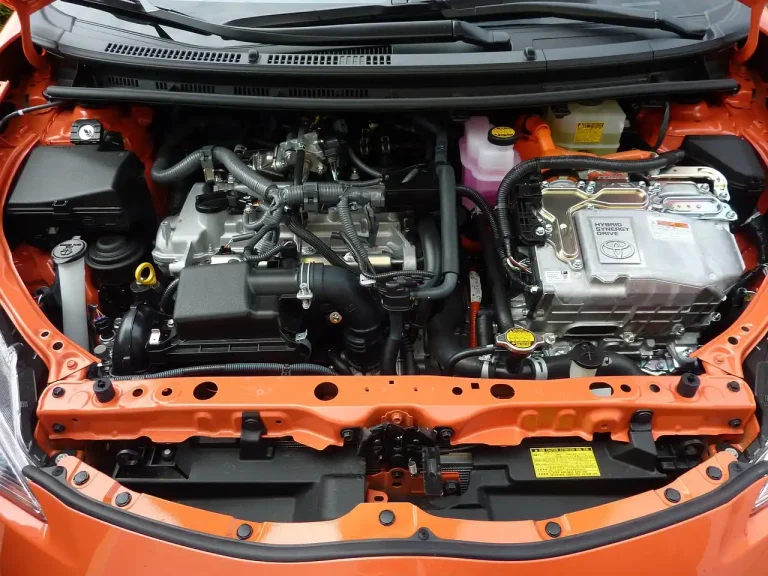
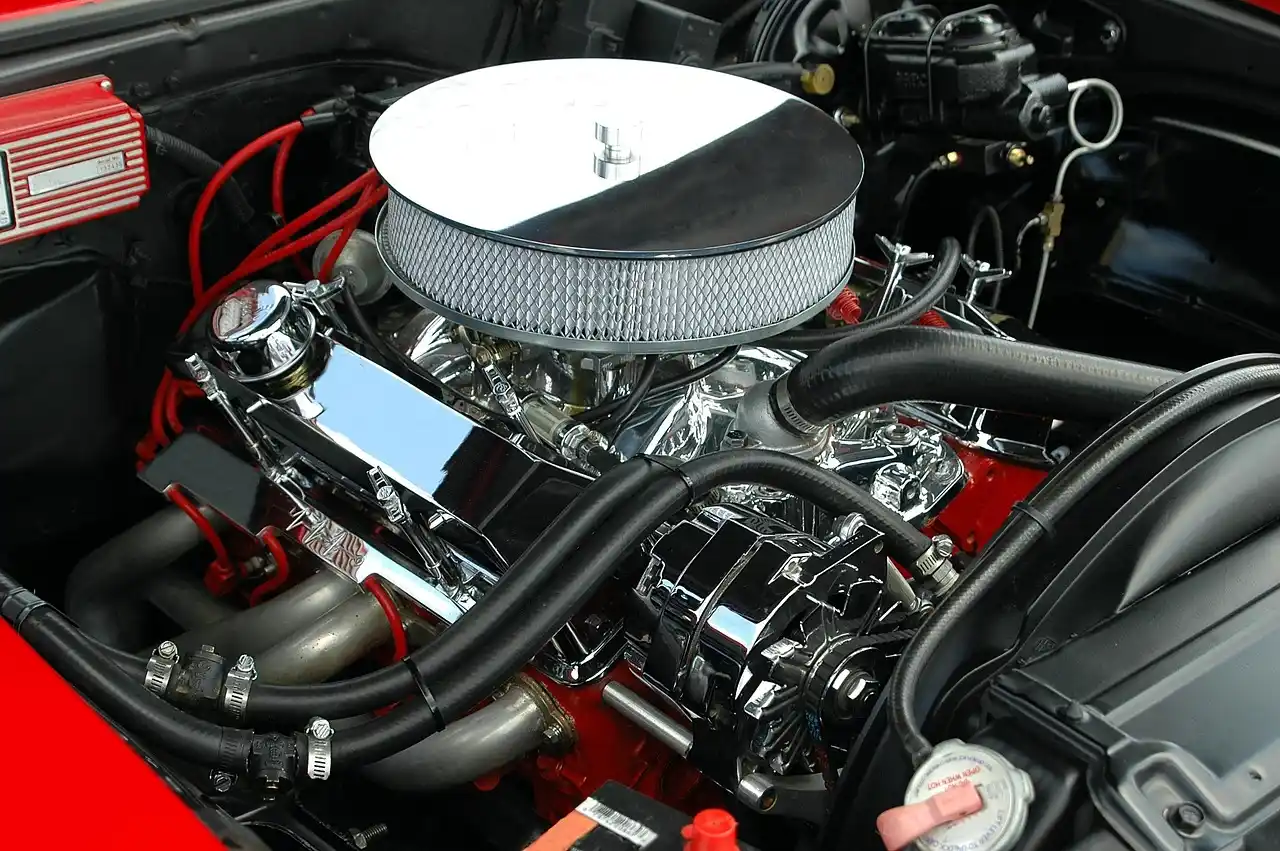
A regular car relies on an internal combustion engine, or ICE, for primary propulsion. A hybrid electric vehicle combines that ICE with one or more electric motors and a traction battery, and the battery is recharged through braking or the engine rather than by plugging in for a standard hybrid. That difference matters most in traffic, where the motor can help launch the car and regenerative braking can recover energy that a gas car would waste as heat. For a deeper primer on the technologies behind that behavior, see our related guides on regenerative braking and ICE vs EV.
ICE, motor, battery, and braking
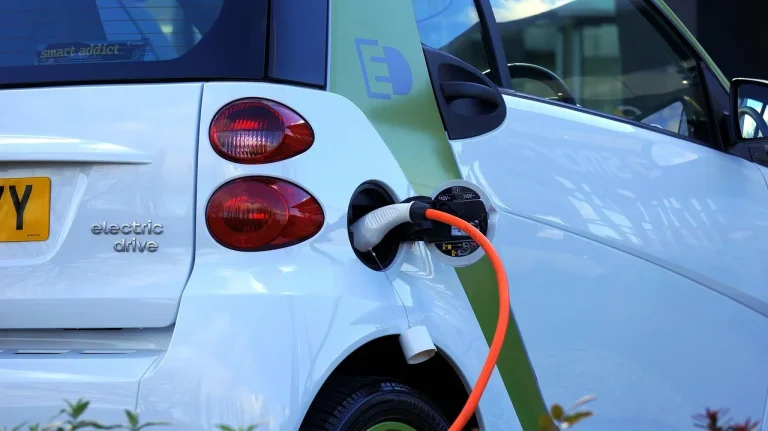
The ICE is still the main power source in most hybrids, but it does not have to do every job alone. The electric motor can assist acceleration, handle low-speed movement in some hybrids, and work with regenerative braking to send energy back to the battery. Standard hybrids do not need external charging, while plug-in hybrids do. If you are weighing a plug-in against a standard hybrid, our PHEV vs hybrid guide breaks down where the bigger battery helps and where it does not.
The battery story also differs by type. In a standard hybrid, the traction battery is much smaller than a plug-in hybrid battery, and it is not charged from an external source. Mild hybrids are different again: they typically use a smaller battery and a 48-volt generator, but they generally cannot drive on electric power alone. Battery size should be read in context, though: a smaller hybrid pack does not automatically mean poorer durability, and a larger plug-in pack does not automatically mean lower maintenance. What matters is the system design, warranty coverage, and how the car is used.
Hybrid types in plain language
Parallel hybrids are the most common type. Series hybrids use a primary drive motor and a second dedicated generator. Power-split hybrids blend both approaches, so the engine and motor can share propulsion in different ways; that is one reason hybrid driving feel can vary so much from model to model.
Say your commute is 8 miles each way with slow traffic and several stoplights. A standard hybrid can spend more of that trip in electric assist and recapture more braking energy than a regular car. Picture the same route at 70 mph for 45 minutes: the fuel gap usually shrinks, because steady highway cruising gives the motor less chance to help. That is why EPA city mpg is often the stronger deciding number for hybrids, while highway mpg and purchase price matter more for steady-speed drivers.
📊 Hybrid battery size varies by model and system design. Source: Caranddriver.
Hybrid vs gas car at a glance
The biggest practical difference is where the fuel savings show up. Hybrid owners usually notice better city mileage in traffic, while regular car buyers usually notice the lower purchase price. The right choice depends on whether your driving pattern rewards efficiency more than it rewards low upfront cost.
Powertrain layout and feel
Parallel, series, and power-split layouts change how the engine and motor share work. That affects transmission behavior, engine noise, and the timing of engine shutoff and restart. A power-split hybrid can feel very different from a parallel hybrid, even when both wear the same “hybrid” badge.
What the numbers do show
Published ratings vary by model. EPA data on Fueleconomy.gov show that many hybrids return their biggest gains in the city cycle, and manufacturer specs can vary widely even within the same class. For example, Honda has published 50 city and 47 highway mpg for the Civic Sedan Hybrid, and EPA ratings for Toyota and Hyundai hybrid crossovers have ranged from the low 30s to the low 50s combined depending on size and drivetrain. Those numbers show why a compact hybrid sedan can save much more fuel than a larger hybrid SUV, even though both use the same basic idea.
Cost comes from more than the battery
The higher sticker price on a hybrid usually comes from several pieces: the electric motor, power electronics, battery pack, and more complex transmission or control hardware. A regular car avoids most of that extra hardware, so it is often cheaper to buy. The warranty can narrow the risk, but not erase it: hybrid-specific parts are covered longer on many OEM plans than on a typical 12-month repair window, which is why warranty documents matter when you compare total ownership cost.
- Check your driving pattern first: city, highway, or mixed.
- Compare the purchase premium, not the whole sticker price alone.
- Ask whether your fuel savings are strong enough to offset the premium before you plan to replace the car.
- Factor in warranty coverage and replacement risk for the battery system.
What changes in driving feel?
Driving a hybrid can feel different because the engine does not always stay on, the electric motor may take over at low speeds, and braking can feel different when regeneration is active. A regular car is more familiar in this respect: the engine does the work, the throttle response is more linear, and the brake pedal usually behaves the same way every time.
Engine-on and engine-off behavior
Some hybrids switch the ICE off at stops and bring it back when power is needed. Others blend the engine and motor so smoothly that you may barely notice the change. Mild hybrids usually feel closest to a regular car because they cannot drive on electricity alone, so the engine remains central to propulsion. In real-world driving, that means a Toyota Prius can feel most relaxed in low-speed traffic, a Honda Civic Hybrid often behaves more like a refined compact sedan, and a Hyundai Tucson Hybrid tends to feel more immediate off the line than a comparable gas crossover because of electric torque assist.
Brake feel and low-speed smoothness
Regenerative braking captures kinetic energy when slowing down and sends some of it back to the battery. That can reduce reliance on friction brakes, but the transition between regeneration and traditional brake pads can feel different across models. Low-speed smoothness is often strongest in standard hybrids and plug-in hybrids when they are still operating on electric power. By contrast, a regular gas car usually has more consistent pedal feel, which some drivers prefer even if it gives up efficiency.
A common first-timer mistake is assuming every hybrid will feel the same in traffic. A series hybrid, a power-split hybrid, and a mild hybrid can behave differently at a crawl, especially when the engine cycles on and off or when the brake pedal blends regeneration with friction braking. That is why a test drive should focus on your usual roads, not just a short loop around the block.
How do fuel savings and price compare?
Hybrids usually cost more upfront, and the extra money can come from the battery, motors, power electronics, and transmission complexity. The fuel savings are real, but they are strongest when your routine includes stop-and-go driving, short errands, and frequent braking. Highway-heavy drivers often see a smaller payback.
Where the extra cost comes
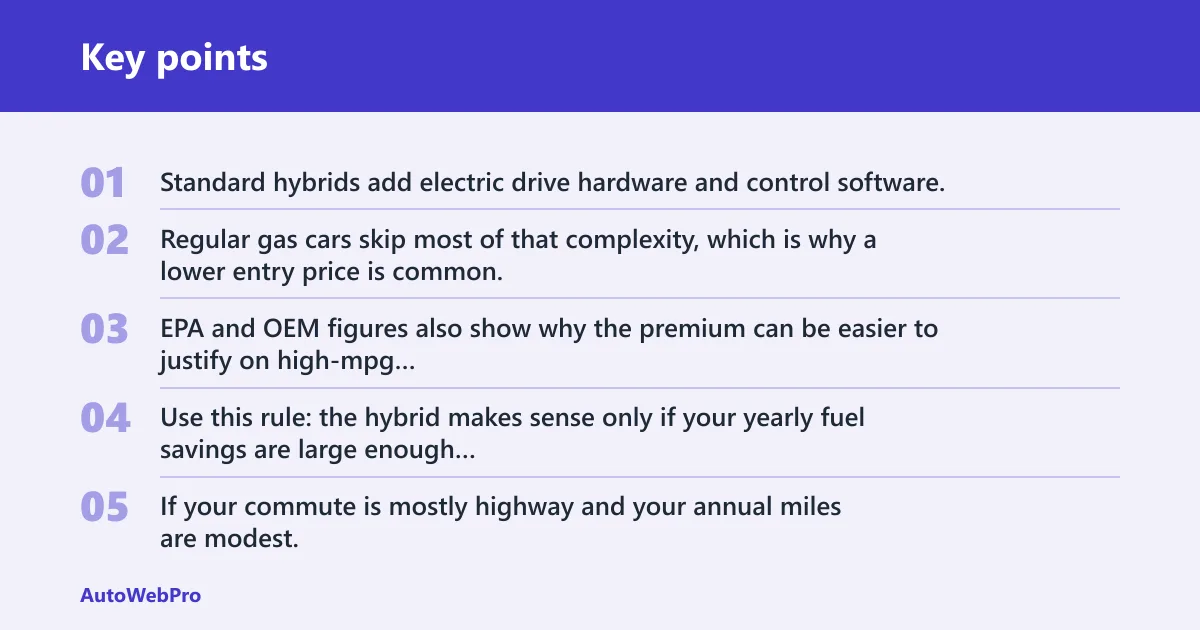
The price gap is not only about the battery. Standard hybrids add electric drive hardware and control software, while plug-in hybrids add a larger battery and charging capability. Regular gas cars skip most of that complexity, which is why a lower entry price is common. EPA and OEM figures also show why the premium can be easier to justify on high-mpg models: when a hybrid improves combined mpg by a wide margin, the fuel savings can add up quickly for city drivers and much more slowly for highway commuters.
A simple payback check
Use this rule: the hybrid makes sense only if your yearly fuel savings are large enough to recover the price premium within the time you plan to keep the car. If your commute is mostly highway and your annual miles are modest, that recovery period gets longer. If you drive a lot in city traffic, it gets shorter.
Here is a practical way to think about it: compare the monthly fuel bill for your routine in a hybrid versus a gas car, then compare that gap with the price premium divided by the number of months you expect to own the car. If the savings do not clear that hurdle, the regular car is the safer financial pick. For a worked example with city versus highway assumptions, see our ownership cost calculator.
Example assumptions used in that calculator: 12,000 annual miles, regular gas at $3.50/gal, a compact hybrid at 50 mpg combined, and a comparable gas car at 32 mpg combined. Under those assumptions, the hybrid saves about $378 per year in fuel at mostly city use and less if the route is highway-heavy and mpg gap narrows. If the hybrid premium is $2,000, break-even is roughly 5.3 years at city-biased use and longer when highway miles dominate. If the premium is $3,000, break-even stretches closer to 7.9 years. Those are simple examples, not guarantees, but they show why annual miles and route mix matter more than the sticker badge.
Hybrid car decision matrix
This table turns the comparison into a buyer decision tree. Use your commute pattern and charging access first, then weigh fuel savings, feel, and ownership cost. The best answer changes when the route changes.

| Scenario | Expected fuel savings | Driving feel | Maintenance implications | Better fit |
|---|---|---|---|---|
| Short city commute | High for a standard hybrid; regeneration and low-speed electric assist matter most here. | Smooth in traffic, with possible engine cycling. | Some brake wear can be lower, but the hybrid system adds complexity. | Standard hybrid |
| Long highway commute | Moderate to low; the gap versus a gas car often shrinks at steady speed. | More similar to a regular car once cruising. | Regular car is easier to own if the fuel gap is small. | regular car |
| Mixed driving | Moderate; the hybrid can benefit from traffic and still do well on open roads. | Balanced, but layout matters a lot. | Worth considering if you plan to keep the car long enough to offset the premium. | Hybrid |
| No home charging | Standard hybrid savings still apply; PHEV advantages shrink without charging access. | Standard hybrid feels straightforward; PHEV may behave like a heavier gas car once the battery is used up. | Regular hybrid avoids the need to plug in. | Standard hybrid |
| Cold climate | Often lower than in mild weather, because the engine may run more and electric efficiency can drop. | Can feel less electric and more engine-driven. | Battery performance matters more; check warranty terms and model guidance. | regular car |
| Lowest upfront price | None at purchase; fuel savings come later, if at all. | Most familiar and simplest. | Usually the least complex ownership path. | regular car |
Buyer tool: use annual miles, fuel economy range, and payback together. A standard hybrid is usually the best pick for 10,000 to 15,000 annual miles with city or mixed use, because the fuel savings can recover the premium in a reasonable timeframe. A mild hybrid is better when you want only a small efficiency bump and near-regular-car behavior. A PHEV can be the best value if you can charge regularly and most of your weekday trips fit inside its electric range. A gas car still wins when annual miles are lower, highway share is high, or the hybrid premium takes too long to recover. As a simple rule, the more of your miles that are urban and stop-and-go, the more a standard hybrid tends to pay back.
Annual miles and break-even guide:
- 8,000 to 10,000 annual miles: gas car or mild hybrid often makes the most financial sense unless the route is mostly city and the hybrid premium is small.
- 10,000 to 15,000 annual miles: standard hybrid is often the sweet spot, especially for commuters with traffic.
- 15,000+ annual miles: standard hybrid or PHEV becomes more attractive if fuel prices are moderate to high and the driving pattern matches the system.
Scenario notes
Short city use is where a standard hybrid usually shines, because stop-and-go traffic gives regenerative braking more chances to recover energy. Long highway use usually weakens that advantage, so the lower purchase price of a regular car can make more sense.
No home charging changes the plug-in hybrid equation. A PHEV can be excellent for buyers who can charge at home or work, but without regular charging access it often loses much of the advantage that justifies its larger battery and higher price.
Cold weather deserves nuance: cold starts, cabin heat demand, and battery conditioning can reduce mpg, so the payback period can be longer than EPA city figures suggest.
Choose Hybrid if… / Choose regular car if…
Choose Hybrid if your driving includes frequent stops, short trips, or mixed city traffic, and you plan to keep the vehicle long enough to recover the higher purchase price through fuel savings. Choose regular car if you want the lowest upfront cost, mostly drive on the highway, or want the simplest powertrain with fewer hybrid-specific parts.
- Choose Hybrid if you spend much of the week in traffic.
- Choose Hybrid if you want standard-hybrid efficiency without plugging in.
- Choose regular car if your commute is mostly steady-speed highway driving.
- Choose regular car if your budget is tight and upfront price matters more than fuel savings.
- Choose a plug-in hybrid if you can charge regularly and your daily trips fit within electric range for a meaningful share of the week.
- Choose a mild hybrid if you want a small efficiency gain with behavior that stays close to a regular car.
Honda says its hybrids do not need to be plugged in to charge, and Honda says hybrid batteries are covered by an 8-year limited warranty. Those points matter if you want hybrid efficiency without changing your routine around charging.
By contrast, a regular gas car still makes sense when the hybrid premium would take too long to earn back, or when your route does not give regeneration much to capture. That is why the right answer depends less on the badge and more on the miles you drive. For buyers comparing fuel savings against upfront cost, our ownership calculator and cost guides can help you model the tradeoff before you commit.
Frequently asked questions
Hybrid vs gas car difference
A hybrid uses both an engine and an electric motor for propulsion, while a regular gas car relies on the ICE alone. The hybrid battery is charged through braking and engine use in a standard hybrid, so you get better city efficiency without plugging in. The tradeoff is a higher purchase price and more hardware.
Hybrid vs normal car difference
The normal car is usually the regular gas car in this comparison: simpler, lower priced, and powered only by gasoline. The hybrid adds electric assistance, regenerative braking, and a traction battery. That changes fuel use, driving feel, and maintenance complexity, especially in traffic and stop-and-go use.
Hybrid vs gas car price difference
The hybrid usually costs more because it adds motors, power electronics, battery hardware, and more complex control systems. The regular gas car usually wins on upfront price. Whether the hybrid is worth it depends on whether your fuel savings over time can pay back that extra cost.
What’s the difference in a hybrid car and a regular car
A hybrid car shares propulsion between the ICE and the electric motor, and regenerative braking helps recharge the battery. A regular car uses only the engine for motion. That difference shows up most in city driving, where the hybrid can save more fuel and feel smoother at low speeds.
Is a hybrid car better than a regular car?
Not always. A hybrid is better if you drive enough city miles or mixed traffic to capture real fuel savings, and if you can keep the car long enough to recover the premium. A regular car is better if you want the lowest buy-in, mostly drive highways, or want simpler ownership.
Is driving a hybrid different?
Yes. Engine-on and engine-off behavior can be noticeable, brake feel can change because of regenerative braking, and low-speed smoothness often feels different from a gas car. The effect varies by layout, especially between parallel, series, power-split, and mild hybrid systems. Some drivers notice it immediately; others adapt quickly.
Sources
- EPA / Fueleconomy.gov model ratings and fuel economy methodology for city, highway, and combined mpg comparisons, including hybrid sedan and crossover ratings.
- Manufacturer warranty guides and owner manuals for hybrid-system and battery warranty terms, including Honda and Toyota model-year documentation.
- Honda Civic Sedan Hybrid specifications and warranty documentation.
- Toyota hybrid warranty documentation for hybrid battery coverage details.
- Car and Driver explainer on hybrid architecture and battery size.
Editorial review: Updated for source-backed fuel economy, payback, and warranty context, with added buyer guidance for city, highway, mixed, PHEV, mild hybrid, and gas-car use cases.