What Is Public Charging for Electric Cars?
Public charging for electric cars means using chargers in shared places such as streets, garages, retail lots, and highway stops, with access usually handled by app, card, account, or plug-and-charge. Miss the access step, connector type, or pricing rules, and you can waste time, pay more, or leave with less range than you planned. This guide explains how public charging works, what changes between AC and DC fast charging, and how to plan a session before you plug in.
What public charging means
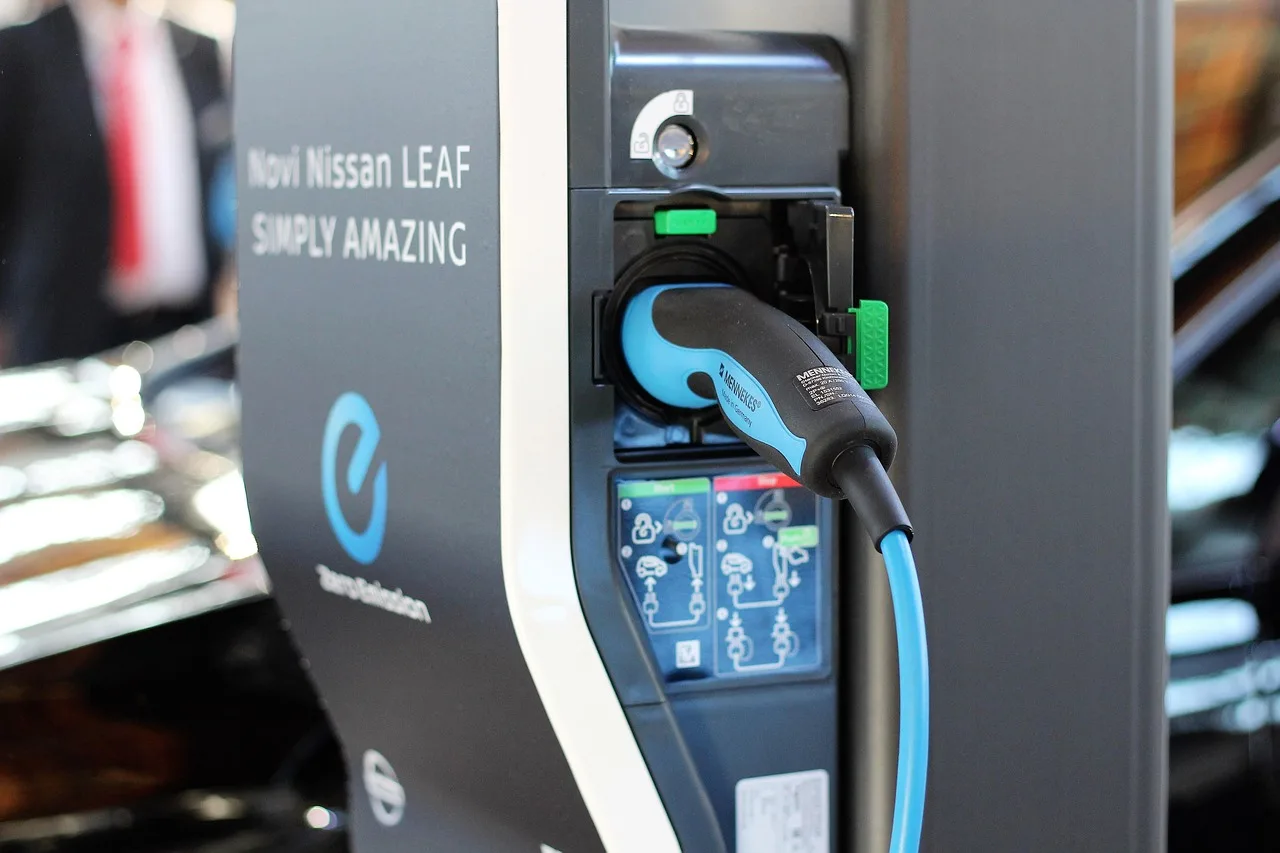
Public charging means you use a charger at a site that anyone in the public can access, instead of a private home charger. The unit may deliver AC or DC power, the cable may be fixed or supplied by you, and the operator sets the price. Access can begin through an app, a QR code, or a charging card, so the station and the payment setup are not always the same thing.
Public charger, public network, and roaming platform
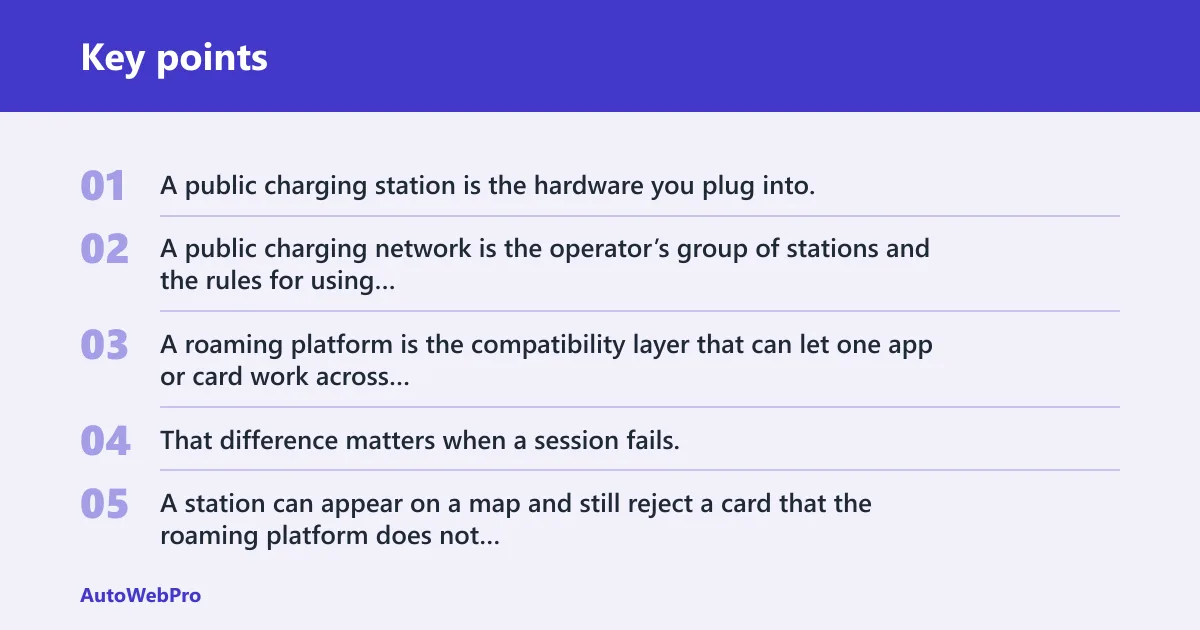
A public charging station is the hardware you plug into. A public charging network is the operator’s group of stations and the rules for using them. A roaming platform is the compatibility layer that can let one app or card work across several operators, even when a different company owns the charger.
That difference matters when a session fails. A station can appear on a map and still reject a card that the roaming platform does not support. The charger, the network, and the access method are linked, but they are not the same thing.
Where you will actually find public chargers
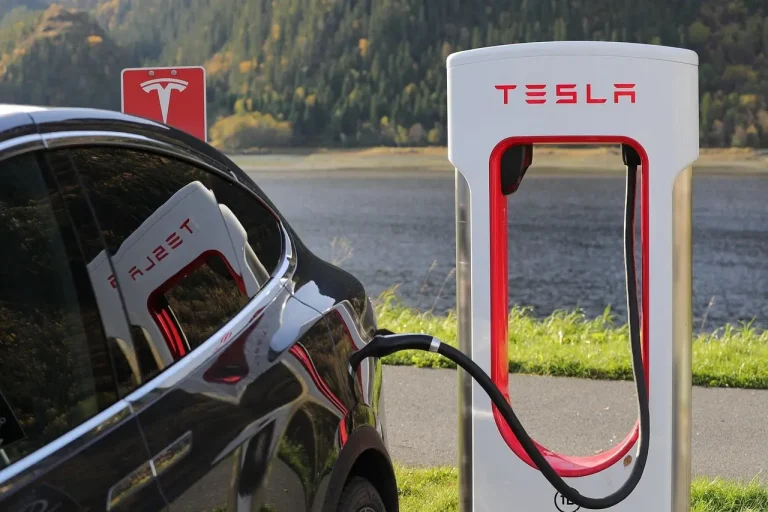
Public chargers can often be found on streets, in shopping areas, in parking garages, at workplaces, at hotels, and along highways. Ayvens notes that public charging locations range from regular chargers to fast chargers, which is why parking time and charging time are often tied together.
A charger at a supermarket may fit a longer stop. A highway site may suit a short top-up. The location often points to the charging speed, the billing style, and how long you should expect to stay parked.
What changes for the driver
The driver-facing differences are straightforward but important: where the charger is, whether the cable is attached, how you authenticate, how you pay, and how fast the session can run. Those variables change the whole session, from the first tap in an app to the final receipt.
Say your car parks at a retail lot for 90 minutes. An AC charger may fit that stop well. Put the same car on a highway DC charger, and the plan changes because the site is built for a much faster session.
How a public charging session works
Most public charging sessions follow the same broad steps: find a compatible station, connect the car and cable, authenticate, then watch the charging status and billing. The details vary by operator, but the order usually stays the same, and a failure at any step can stop the session.
Find the station
Start with the charger type, connector type, access method, and price. A station can be public yet still require a specific app, a charging card, or QR-based registration. Some sites also show whether the cable is tethered before you arrive.
Connect the car and cable
At a tethered station, the cable is already attached. At an untethered station, you bring your own cable and connect it to the charger and the car. If the plug type does not match the car and the station, the session will not start.
Authenticate with app, card, or QR code
Public charging can often be registered via an app, QR portal, or charging card. A charging card is an RFID-style access card used for authentication, and it may be required where app-only access is not available. Compatibility varies by provider, so the card that works at one network may fail at another.
Start, monitor, and end the session
Once the station accepts the session, charging begins and the screen or app usually shows energy delivered, time connected, and cost so far. Stop the session before disconnecting. If the site bills by time, ending late can keep the meter running even after the battery slows down.
AC charging and DC charging
AC and DC describe the kind of power the charger sends and how the car receives it. AC charging is usually slower and common where the car stays parked longer. DC charging is faster and common when the goal is a short stop and a quick top-up, though the actual speed still depends on the car and the charger.
What AC charging means
AC charging uses alternating current. e-mobilio says AC charging stations usually allow up to 22 kW. That makes AC a natural fit for destination charging, overnight parking, workplace parking, and other stops where the car can remain connected for a longer period.
What DC charging means
DC charging uses direct current and sends power straight toward the battery in a form the car can use more directly. e-mobilio says DC charging stations work with 50 to 100 kW. Honda says DC fast charging can get to 80% in 20-60 minutes, depending on the vehicle and conditions.
Where HPC fits
HPC means high power charging. e-mobilio says HPC charging stations allow 100 to 350 kW, which places them in the ultra-fast charging category. These sites are built for very short stops, but the car must support that charging rate to benefit from it.
When each type is most common
AC is common where the car stays parked for a while. DC is common at roadside stops and busy transit points. HPC is most useful on longer trips, where a fast energy refill matters more than parking convenience. In all three cases, the vehicle’s maximum intake rate still limits the actual session.
Which plug or cable do you need?
The connector depends on the car and the charger. In Europe, Type 2 is the common public AC connector, while CCS is the usual connector for rapid and ultra-rapid DC charging. Whether you need your own cable depends on whether the station is tethered or untethered.
Type 2 for public AC charging
Type 2 is the standard EU connector for public AC charging. It is widely used at destination chargers, workplace chargers, and slower public sites. If your vehicle accepts Type 2 AC input, you will often see this connector at parking-based charging locations.
CCS for rapid and ultra-rapid charging
CCS means Combined Charging System. It is used for rapid and ultra-rapid charging and fits the lower CCS portion on many EVs. At DC sites, that connector is the one that usually matters most, because it matches the fast-charging hardware rather than the slower AC setup.
Tethered versus untethered chargers
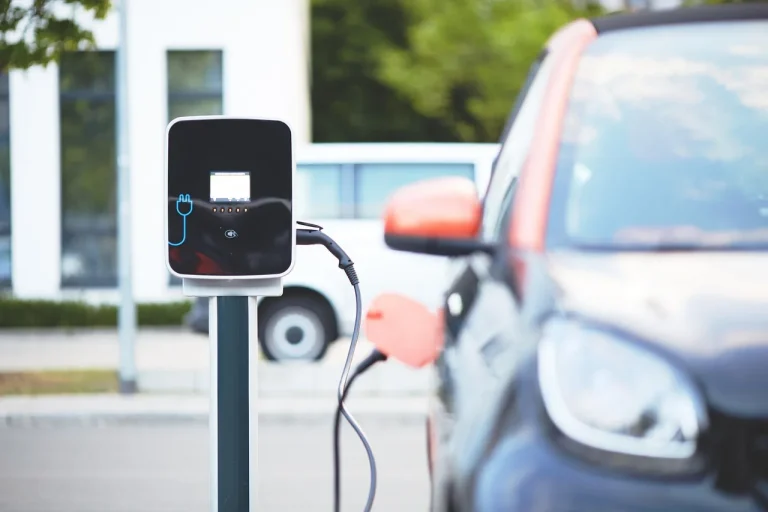
Some public chargers are tethered, which means the cable is already attached. Fast chargers often have fixed cables, according to Ayvens. Other stations are untethered, so you need to bring the correct cable yourself. A missing cable can stop the session before it starts.
Type 1 to Type 2 and Type 2 to Type 2 cables
Many public AC setups use Type 2 to Type 2 cables. Type 1 to Type 2 cables also exist for cars that need a different vehicle-side connector. If the station is untethered, check both ends: the connector at the car and the connector at the charger.
How public charging is billed
Public charging cost depends on the operator. The same source says the most common billing method is per kWh, and some sites also add time fees or session fees. That means one charging stop can include more than one charge type on the same receipt.
Per-kWh billing
Per-kWh billing charges you for the energy you use. It is common because it tracks consumption directly, but the final price still depends on the operator and the site. Per-kWh pricing may also be combined with a fixed connection fee or a time-based charge after a certain point.
Minute-based billing
Minute-based billing charges you while the car is connected. The same source says minute-based charging can continue after charging ends, which is why a finished battery does not always stop the meter. This matters most at sites that bill by time instead of by energy alone.
Session fees and idle fees
A session fee is a flat charge for starting the charge. An idle fee can apply when the car stays plugged in after charging should have ended. That is where etiquette meets cost: if the bay is busy, move the car promptly so the charger is not held by a finished session.
Why the final price can differ by site
The final price can change because of the operator, the access method, the charger type, the billing model, and the location. Two chargers that look similar can produce very different totals if one uses per-kWh billing and the other adds time fees after a set point.
A common first-timer mistake is to compare only the displayed energy rate and ignore the time charge. At a fast charger, a session that looks cheap at first can become expensive if the car slows near the top of the battery and the site keeps billing by the minute.
Public charging session guide
This table maps the four common public charging situations by driver need. Use it to match the station to the stop you actually have, not the stop you wish you had.
| Situation | Need your own cable? | Typical power range | Typical access method | Likely billing model | Most common mistake to avoid |
|---|---|---|---|---|---|
| AC destination charging | Often yes, if untethered | Up to 22 kW | App, QR code, or charging card | Per kWh, sometimes with session fees | Arriving without the right Type 2 cable |
| DC fast charging | No, usually tethered | 50 to 100 kW | App, QR code, or charging card | Per kWh plus time fees at some sites | Expecting AC speeds from a DC site |
| Tethered station | No | Varies by site type | App, QR code, or charging card | Per kWh, session fee, or minute-based billing | Assuming every tethered plug fits every car |
| Untethered station | Yes | Varies by site type | App, QR code, or charging card | Per kWh, sometimes with time fees | Forgetting to bring the correct cable |
- Check the connector your car needs: Type 2 for public AC charging or CCS for rapid and ultra-rapid charging.
- Confirm whether the station is tethered or untethered before you leave.
- Check the access method: app, QR code, or charging card.
- Look for the billing model, including per-kWh, minute-based billing, and any session fee.
- Start the session, then watch both charging progress and the parking timer.
What should you know before charging abroad?
Before charging abroad, check connector compatibility, app or card compatibility, and the billing currency. A charger can look familiar and still reject your access method. Roaming access can matter because it may let your home provider or app work across more than one charging network.
Connector compatibility
Plug type is the first check. In Europe, Type 2 is common for public AC charging, and CCS is common for rapid and ultra-rapid charging. If your car uses a different standard, a compatible cable or adapter may be required, and not every site supports every setup.
Card and app compatibility
Do not assume a charging card or app works everywhere. Provider compatibility varies. A card that opens one network may fail at another unless the roaming arrangement includes that station. This is where a roaming platform can matter more than the charger brand on the pole.
Billing and currency checks
Check whether the site bills per kWh, by the minute, by session, or with a mix of those. Also check whether the price is shown in the local currency and whether foreign-card fees apply through your payment provider. A site with time-based billing can be more expensive than it first appears.
Why roaming access can matter
Roaming access can reduce the number of separate cards and apps you need. It does not guarantee universal compatibility, but it can make a road trip easier when several operators are on the route. That matters most when you are crossing borders and need a fast, predictable stop.
Suppose a driver arrives at a hotel charger in another country with only one home-market RFID card. If the station accepts only app-based access from a different provider, the stop can fail even though the charger is physically available. A backup app or roaming card solves that problem before it starts.
Frequently asked questions
What is public charging for electric cars?
Public charging means charging an EV at a shared, publicly accessible site such as a street charger, car park, retail lot, or highway stop. The charger can be AC or DC, and access may require an app, QR code, charging card, or other account-based method set by the operator.
How does public EV charging work?
You find a compatible charger, connect the car, authenticate, and start the session. The station then delivers AC or DC power until you stop it, the car finishes, or the site limits the session. Billing may be based on kWh, time, session fee, or a mix of those charges.
What’s the difference between AC and DC public charging?
AC charging is usually slower and often used where the car stays parked longer. DC charging is faster and better for shorter stops. e-mobilio says AC stations usually allow up to 22 kW, while DC stations work with 50 to 100 kW. The car still sets the real limit.
Do I need my own cable at a public charger?
Sometimes yes, sometimes no. Tethered chargers already have a cable attached, which is common at many fast chargers. Untethered chargers require your own cable, often Type 2 to Type 2 or Type 1 to Type 2. Check the site before you arrive so you do not get stuck.
How do I start a public charging session?
Park, plug in, then authenticate with the method the station supports. e-mobilio says public charging can be registered via app, QR portal, or charging card. If the charger is app-only or the card is not compatible, the session may not begin even though the plug is connected correctly.
Is public EV charging free?
Sometimes, but not usually as a universal rule. Free charging exists at some businesses, hotels, workplaces, or guest locations, often as a perk or promotion. Most public charging is priced by the operator, and that price can be tied to energy, time, or both.
How much does it cost to charge an electric car in public?
There is no single public price. The same source says public charging cost depends on the operator, and the most common billing method is per kWh. Time fees or session fees, so the total can change depending on how long the car stays connected.
What app, card, or payment method do I need?
It depends on the operator and the roaming setup. Some sites need an app, some accept a charging card, and some allow QR-based start-up. Compatibility varies, so check whether your card or app is supported before you rely on it for a trip or a border crossing.
Are public charging stations for electric cars free?
Some are, but many are not. Free public charging is usually tied to a business, property, promotion, or guest access rather than being universal. The default assumption should be that the operator charges for energy, time, or both unless the site clearly says otherwise.
Is it free to charge an electric car in public?
No, not as a general rule. Free public charging exists, but it is the exception. Most public charging stations have operator-set pricing, and that price may include per-kWh billing, time fees, or a session charge. Always check the station details before plugging in.