New Hybrid Break-in Tips: What to Do in the First 1,000 Miles
For the first 1,000 miles, keep speed changes smooth, vary load and engine speed, brake gently, and skip hard launches or long high-speed runs; for hybrids, the goal is controlled wear-in, not treating the car as fragile. Ignore that period and you can add brake glazing, tire wear, fuel-use quirks, and avoidable strain on new components. This guide breaks down break-in for the engine, battery, brakes, and tires, with separate advice for city commuters and highway drivers.
What changes in the first 1,000 miles?
The first 1,000 miles are often treated as a short settling period for several systems at once. The engine needs normal heat cycling and changing loads, the brake system needs its pad transfer layer to form, the battery management system is learning your drive pattern, and new tires may feel different until the surface wears in.
Read the owner’s manual first. Some hybrids may list speed caps, tow limits, or similar limits for the break-in period, and those instructions should take priority over any general advice. A plug-in hybrid, a performance hybrid, and a hybrid truck can all have different limits.
Hybrid break-in checklist
| Mileage band | What to do | What to avoid | What to check in the car |
|---|---|---|---|
| 0-100 miles | Drive normally with light to moderate throttle, vary speed when traffic allows, and let the engine warm up through regular use. | Hard launches, redline operation, long steady high-speed runs, repeated hard stops, and intentional deep battery discharge. | Oil level if the manual allows checking, tire pressure, warning lights, and any brake or drivetrain messages. |
| 100-200 miles | Continue varied driving, use light to moderate braking, and keep an eye on tire feel in wet weather. | Full-load towing, aggressive acceleration, and repeated panic stops unless traffic makes them unavoidable. | Brake feel, tire grip on damp pavement, and any energy-flow or drive-mode indicators that look unusual. |
| 200-500 miles | Use mixed city and highway driving when possible, with normal but not harsh throttle input. | Holding the same speed for hours, especially at a high load, and ignoring warning lights or odd noises. | Fluid levels per the manual, tire pressure, and whether the transmission or engine feels smooth under light load. |
| 500-1,000 miles | Return to full normal use unless the manual still lists limits; schedule the first service if the manual calls for it. | Overloading the vehicle or treating the first 1,000 miles as a green light for aggressive driving. | First-service timing, remaining warnings, and any vibration, rough shifting, or brake noise that has not faded. |
- Contact the dealer if you see: a check-engine light, hybrid-system warning, brake warning, or tire-pressure warning that stays on after a restart.
- Contact the dealer if you hear: grinding, clunking, repeated squeal during normal braking, or a whine that rises with speed and does not go away.
- Contact the dealer if you feel: rough shifting, harsh engine shudder, loss of power, or brake pedal behavior that feels inconsistent.
- Contact the dealer if the manual says: a first-service inspection is due before 1,000 miles, or if it sets a lower break-in limit than this guide.
How should you drive the engine?
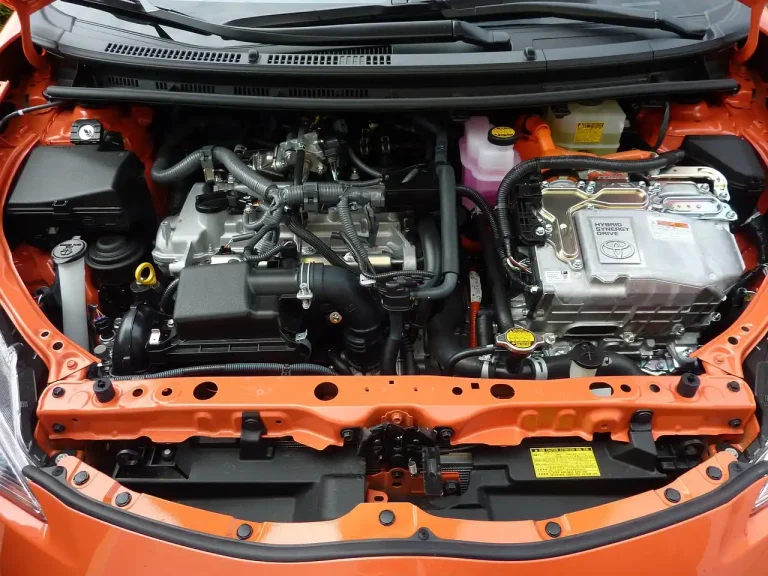
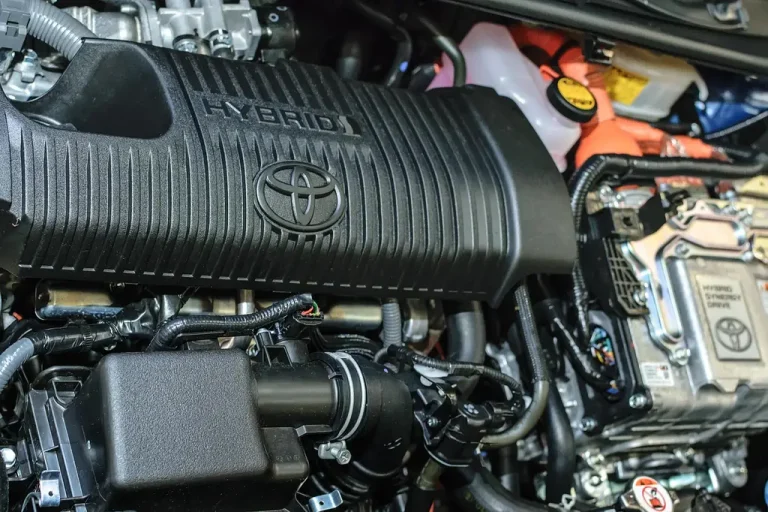
Use light to moderate throttle, vary rpm, and avoid constant high load. Hybrid engines still have rings, bearings, valves, and drivetrain parts that benefit from heat cycling and changing loads during the first 1,000 miles.
That does not mean crawling everywhere. Normal traffic pace is fine, and brief bursts of acceleration to merge or pass are usually better than holding one speed forever. What you want to avoid is the same load for a long stretch, especially near wide-open throttle or redline.
- Accelerate gently.
Use smooth pedal input and let the transmission or power-split system work without forcing a hard launch. A steady, moderate build in speed helps the engine seat parts under normal pressure instead of shock loading them. - Vary engine speed.
Change speed and load when traffic allows, especially on local roads. Brief climbs, deceleration, and re-acceleration are useful because they expose components to different temperatures and pressures. - Skip long steady pulls.
Avoid sitting at the same high speed for a long commute segment if you can mix in lower-speed driving. Constant high load is harder on a new engine than a route with changing demand.
A common first-timer mistake is treating the first tank of fuel like a test lap. A 20-mile highway commute at one speed is not a problem by itself, but doing that every day with a heavy throttle foot can delay the normal settling-in that an engine needs.
Why steady-speed commuting needs a little variety
If your route is mostly one-speed highway driving, add variety off the highway when possible. A few minutes of slower traffic, a surface-street exit, or a different route can help keep the engine from living at one rpm and one load all week.
If your route is mostly stop-and-go city driving, the engine may cycle on and off more often. That is normal in a hybrid. The goal is not to force it to run all the time; it is to avoid extremes in temperature and load.
Do the brakes need special care?
Yes. Hybrid brakes still need bedding, but regenerative braking changes the process. The pads may see less friction work early on because the motor does part of the slowing, so you still want light to moderate stops that help the brake pads form a proper transfer layer on the rotors.
Repeated hard stops in the first few hundred miles can make that process uneven. Use enough pedal pressure to slow the car cleanly, then release. That gives the pads and rotors a more even start.
- Use moderate stops.
Aim for smooth deceleration from normal city speeds rather than sudden panic stops unless traffic leaves no choice. This helps the pad material transfer evenly to the rotor surface. - Blend regen and friction.
Let regenerative braking do a fair share of the work, but still use the brake pedal often enough for the friction brakes to bed in. A hybrid that never uses its pads much can still need a proper bedding period. - Avoid repeated hard stops.
Do not make back-to-back full-force stops during the first few hundred miles. That can overheat the pads before the transfer layer settles evenly.
Suppose you leave a suburban driveway and hit three abrupt stops in two miles because of traffic lights and a short yellow. That is not a disaster. The issue is doing that repeatedly on purpose, or treating brake bedding like a reason to ignore smooth braking.
What should you know about the battery?
Use the battery normally and let the car manage charge state and temperature on its own. Most hybrid systems are designed to live in a narrow charge window, so normal swings on the display are expected. Do not try to deeply discharge the battery on purpose, and do not chase a specific state of charge unless the manual tells you to.
For many owners, the important rule is simple: drive the car. The battery management system handles thermal management, charging, and assist. Your job is to avoid extreme use, not to micromanage the pack.
Should you avoid EV mode in a new hybrid?
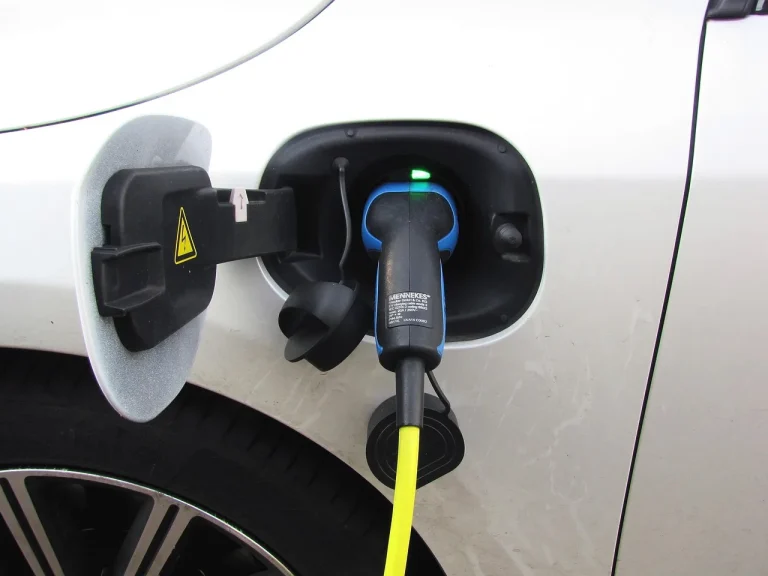
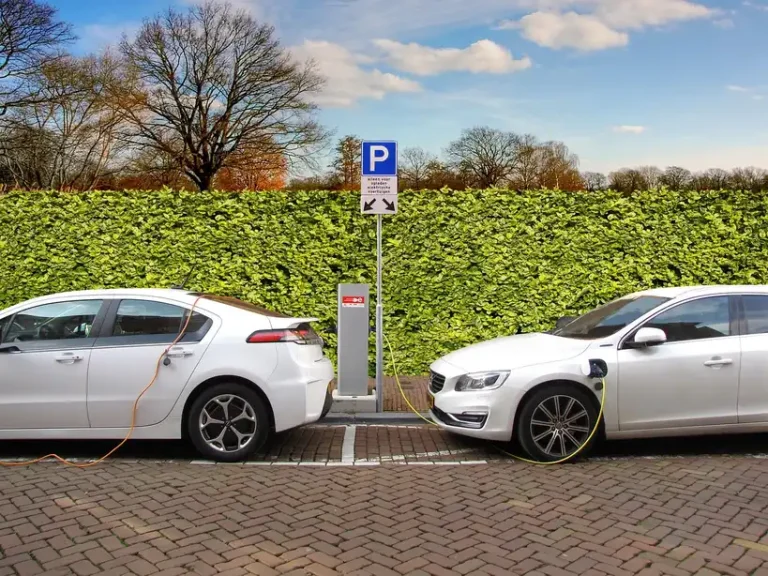
Usually no, unless the owner’s manual says to limit it. In a standard hybrid, EV mode is part of normal operation and the car decides when it can use electric drive. In a plug-in hybrid, EV mode use is also normal, but the charging and range rules are different from a non-plug-in hybrid.
Do not force EV mode to the point that the system is constantly fighting you. If the car exits EV mode on its own, that is usually a normal response to speed, load, temperature, or battery state.
Tire break-in and traction
New tires often feel a little different for the first 100 to 200 miles. Mold-release residue from manufacturing can reduce grip slightly at first, and the tread surface needs a short settling-in period before it feels fully consistent.
Wet weather deserves extra caution during that period. The difference is usually subtle, but a damp road can expose it quickly. Check tire pressure too; underinflation or overinflation can make new tires feel worse than they really are.
- Drive normally, not sharply.
Use smooth steering, acceleration, and braking for the first 100 to 200 miles. That gives the tire surface time to settle without unnecessary scrub. - Watch wet-road grip.
Be more cautious in rain or on painted pavement during the first few days. If the car feels vague or slides sooner than expected, recheck pressures and driving speed. - Check all four pressures.
Confirm the pressures against the door-jamb placard when the tires are cold. Hybrid tire wear and rolling resistance can be sensitive to small pressure errors.
Can I drive a new hybrid on the highway right away?
Usually yes, if the manual does not set a lower limit. Highway driving is fine in moderation, but avoid long, steady, high-speed runs during the early miles if you can mix in some variation. The issue is not the highway itself; it is holding one load for a long time.
If your only route is a daily highway commute, that is still acceptable for most hybrids. Just keep speed reasonable, avoid hard acceleration onto the ramp, and do not assume the car needs a special warm-up ritual beyond ordinary driving.
City-heavy driving versus highway commuting
City driving gives the engine more variation, which is useful during break-in, but it also brings more brake use. Highway commuting gives the engine a steadier workload and less friction-brake use, so it helps to add a little variation off the highway and avoid running the same speed for the entire trip.
For traffic-heavy drivers, the main task is staying smooth. For highway drivers, the main task is avoiding one-speed monotony for too long.
What maintenance checks matter most in the first 1,000 miles?
The first checks are simple: fluids, tire pressure, warning lights, and the first-service schedule in the owner’s manual. Many hybrids do not need an early oil change, but some models do have a specified inspection window or a very short first-service interval.
Do not assume the dashboard is enough. A tire-pressure warning can mean a slow leak or a pressure mismatch, and a hybrid-specific message can point to a system issue that needs dealer attention early.
- Confirm fluid levels.
Check the engine oil only when the manual allows it and follow the correct procedure for a hybrid. Also verify washer fluid and any other listed levels at the first scheduled check. - Inspect the tire pressures.
Compare all four tires to the placard value, not the sidewall number. Small differences matter on a new hybrid because they affect ride, economy, and brake feel. - Review the displays.
Look for energy-flow screens, drive-mode indicators, tire-pressure warnings, and efficiency coaching prompts. Those screens should explain normal system behavior, not confuse it.
If the car has a first-service reminder before 1,000 miles, follow that interval instead of a general rule of thumb. If it has no early service requirement, the manual still tells you when the first inspection or oil check should happen.
Can I tow, haul, or drive aggressively during hybrid break-in?
Not unless the manual specifically allows it. Avoid heavy towing, full-load hauling, mountain runs with a loaded vehicle, and aggressive acceleration during the first 1,000 miles. Those conditions put extra heat and load into the engine, transmission, brakes, and battery system before they have settled in.
Some hybrid trucks and SUVs have tow ratings that are valid only after break-in or only with specific equipment. If you plan to tow, check the manual for the exact limit, the hitch setup, and any trailer-brake requirements before you hook up anything.
Model-specific exceptions to watch
Performance hybrids may allow higher engine speeds but still recommend a careful break-in. Plug-in hybrids can have different battery-use guidance. Hybrid trucks and SUVs may have stricter towing and payload limits in the first few hundred miles. The manual is the deciding document.
What warning signs after delivery should I watch for?
Watch for warning lights, unusual noises, rough shifting, brake pedal changes, and any drivability issue that appears during the first 1,000 miles. A new hybrid can feel different from a gas-only car, but it should not feel faulty. If something seems off, do not wait for the break-in period to end.
Many concerns are simple, such as a tire-pressure warning after delivery or a display that needs a reset. Others are not. Persistent hybrid-system warnings, grinding brakes, harsh shuddering, or loss of power deserve dealer attention right away.
Frequently asked questions
What should I do during the first 1,000 miles of a new hybrid?
Drive it normally, but with restraint. Keep speed changes moderate, vary load and engine speed, use smooth braking, and avoid hard launches, redline runs, heavy towing, and long high-speed stretches. Check the owner’s manual first, because some hybrids list specific speed, tow, or service limits.
Do hybrid engines need a break-in period?
Yes. The engine still needs a short seating period for internal parts, plus normal heat cycling and varied load. You do not need to baby it, but you should avoid constant high load, redline operation, and very hard acceleration during the first 1,000 miles.
Do brakes and tires need break-in on a hybrid?
Yes. The brakes need bedding so the pads form an even transfer layer, and the tires may feel slightly different for the first 100 to 200 miles because of mold-release residue and tread settling. Use light to moderate braking and take extra care in wet weather.