Are Plug-in Hybrids Worth It?
Plug-in hybrids are worth the extra money only if you can charge often and most of your weekly miles fit on electricity. A simple break-even check is to compare your electricity cost per electric mile with your gas cost per hybrid mile, then add the price premium. Skip that math and you can spend more upfront without saving enough on fuel.
How to tell if a PHEV fits your routine
A plug-in hybrid can make sense when your routine is short enough for the battery to cover a large share of it, and when you can recharge often enough to keep using electric miles. If you cannot charge, or you drive long mixed-distance days, a regular hybrid often makes more sense.
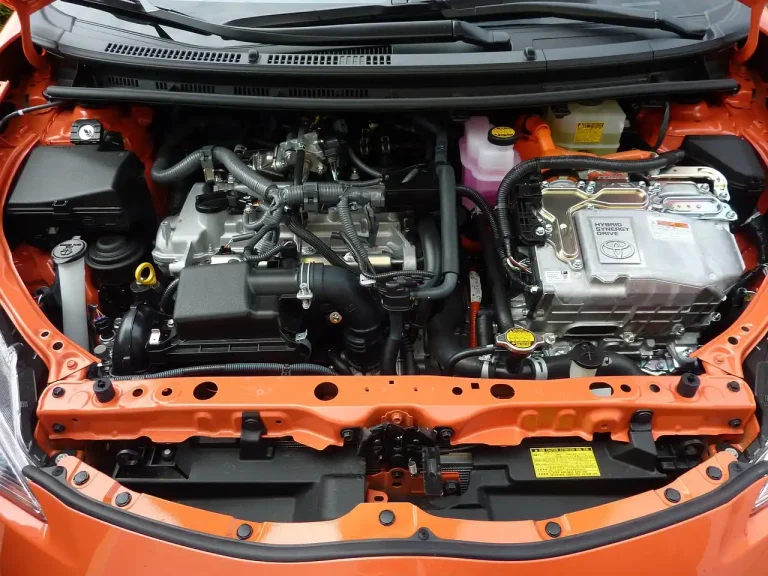
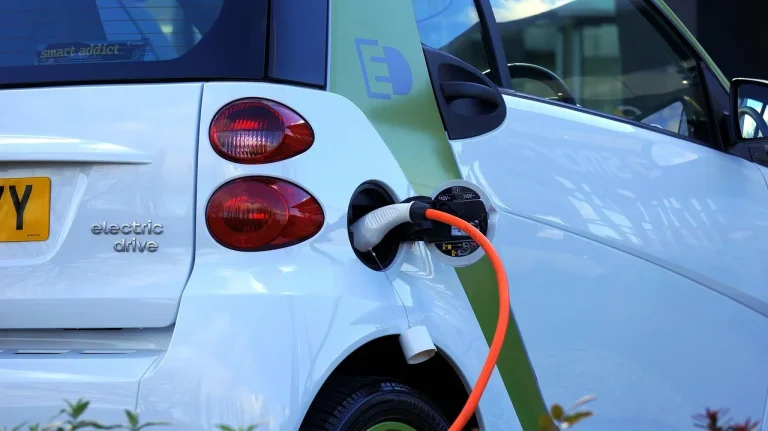
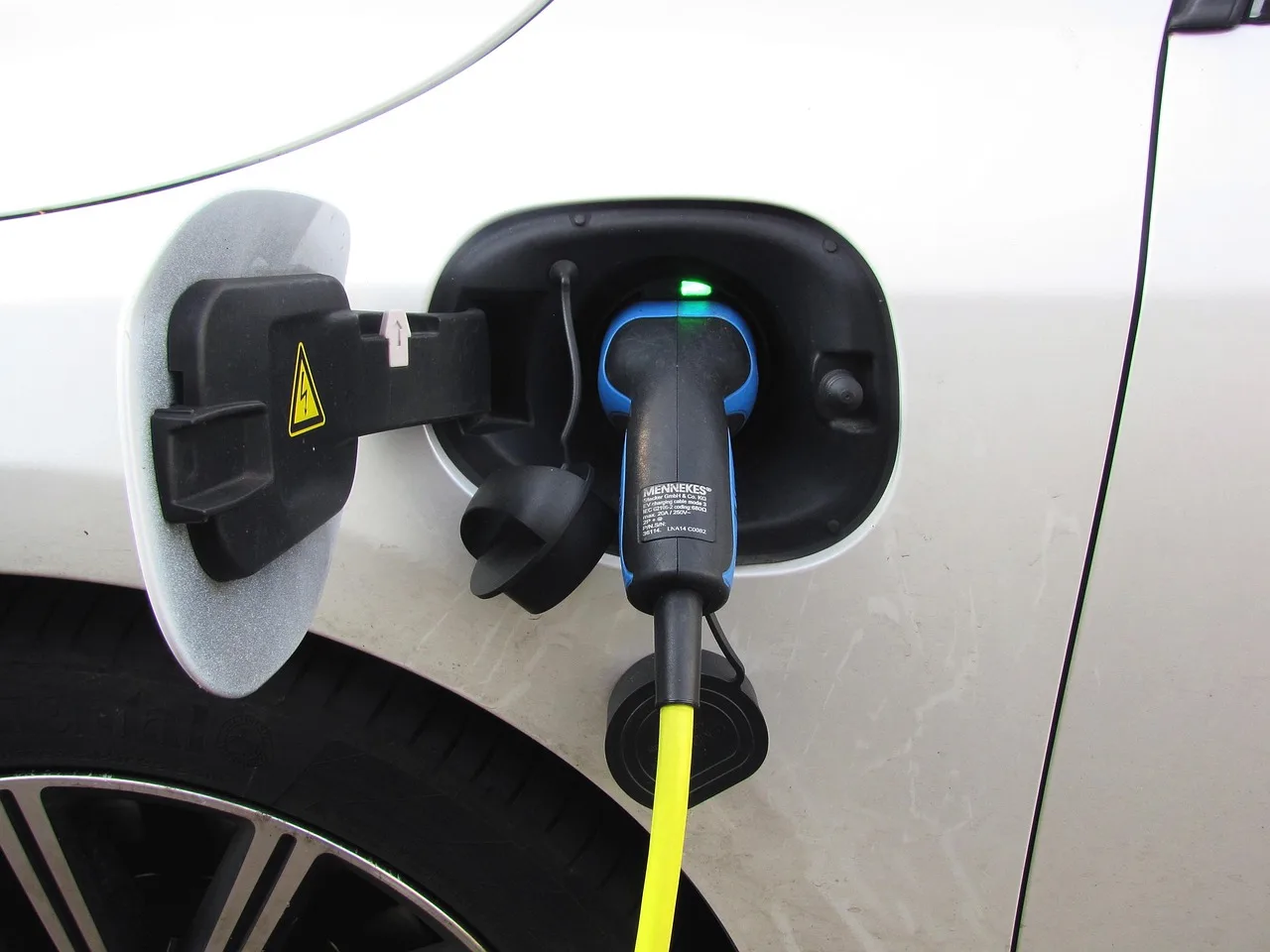
A plug-in hybrid electric vehicle, or PHEV, uses a gasoline engine plus an electric motor and a battery that you can charge from an external power source. In electric-only mode, the car runs without burning fuel until the battery depletes, then it switches to hybrid operation.
| Decision check | Yes / no rule | Likely outcome |
|---|---|---|
| Commute miles | Yes if your daily round trip fits within most of the car’s electric range. No if your regular drive is clearly longer. | Good fit when most weekday miles can run on electricity. |
| Home or work charging | Yes if you can plug in most days. No if charging is rare or uncertain. | Strong value with regular charging; weak value without it. |
| Annual mileage | Yes if most miles are local and repetitive. No if trips vary widely and often run long. | More likely to repay the premium on predictable use. |
| Local gas price | Yes if fuel is expensive enough that avoided gasoline matters. No if gas is cheap and electricity is not. | Better savings where gasoline costs more. |
| Ownership outcome | Yes on three or more rows. No on two or fewer. | PHEV likely fits if the score is mostly yes; otherwise a hybrid or EV may be better. |
Most PHEVs have about 20 to 30 miles of electric range, and Car and Driver says the broader spread can be about 10 to 70 miles. That range matters more than the badge on the grille. If your daily round trip fits inside the battery, the car can spend a lot of time on electricity instead of gasoline.
The trade-off is simple. A PHEV gives you electric driving for short trips and gasoline backup for longer ones, but the battery, motor, and extra hardware usually push the purchase price above a comparable hybrid. That extra cost needs to be repaid by lower fuel use, tax treatment, or both.
| Comparison point | Plug-in hybrid | Regular hybrid |
|---|---|---|
| Electric driving | Can cover part or most of a short commute on electricity. | Usually cannot plug in and uses the engine much more often. |
| Fuel use on short trips | Low if charged often. | Often higher than a charged PHEV on the same route. |
| Fuel use after battery depletion | Varies widely by model and can fall behind a strong hybrid. | Usually more predictable because it is designed around hybrid operation. |
| Upfront price | Usually higher. | Usually lower. |
| Charging need | Important to make the savings real. | Not needed. |
Plug-in hybrid vs regular hybrid
A PHEV can be the better buy if you can use the electric range often enough to offset the higher sticker price. A regular hybrid is the safer pick if you want lower complexity, no charging plan, and steady efficiency regardless of whether you plug in.
Fuel economy after the battery runs out matters a lot. The 2024 Ford Escape Plug-In Hybrid is rated at 40 mpg combined in gas mode, while the Toyota Prius Prime is quoted at 54 mpg combined once electric range is exhausted. Those numbers show why depleted driving should be part of your decision, not an afterthought.
Federal tax incentives can improve payback when you qualify, but eligibility and amount depend on the vehicle and buyer rules. In the UK, company car buyers may see a stronger case because low BiK treatment has made some PHEVs attractive; one commonly cited example is around 8% until April 2025.
Do you need home charging?
Home charging is a major part of the value case. Without a place to plug in often, a PHEV loses much of its reason for being because the electric miles that justify the higher price do not happen. Level 1 overnight charging can work for some owners, while Level 2 charging is faster.
Car and Driver says a Level 1 110-volt outlet may top up a PHEV overnight, and Level 2 charging is typically three times faster than Level 1. That means a driveway, garage, or workplace plug can make a real difference, while relying on public charging alone usually weakens the case. (Caranddriver)
Check your parking spot. Confirm whether you can plug in at home or at work on most days. If the answer is no, the PHEV often turns into a heavier hybrid with extra cost and less benefit.
Match the charging speed. A Level 1 outlet may be enough if you drive a short daily route and can leave the car plugged in overnight. Choose Level 2 if your schedule is tighter or your battery is larger, because faster charging makes repeat electric use easier.
Count the plug-in days. If you can recharge most weekdays, the car can return to electric mode often. If you cannot, the extra battery weight works against you and the payback window stretches out.
Carbuyer says long range is key to the appeal of a PHEV, and Carbuyer also warns that PHEVs will not suit drivers who cannot recharge. That is the central split: charging access turns the vehicle into a useful commuter tool, while no charging turns it into a costlier compromise.
How much electric range do you need?
You need enough electric range to cover your normal round trip, not just a theoretical best case. If your daily commute is shorter than the battery’s usable range, you get the strongest fuel savings. If your commute regularly exceeds it, the gas engine takes over more often and the advantage shrinks.
Common examples help anchor the choice. The Toyota Prius Prime can reach up to 25 miles of all-electric range. The 2024 Ford Escape Plug-In Hybrid has a 37-mile max EV range, the 2024 Jeep Wrangler 4xe has a 22-mile max EV range, the 2024 Dodge Hornet Plug-In Hybrid has a 30-mile max EV range, the 2024 Lincoln Corsair Grand Touring has a 28-mile max EV range, the 2024 Mitsubishi Outlander Plug-In Hybrid has a 38-mile max EV range, and the 2024 Lexus TX Plug-In Hybrid has a 33-mile max EV range.
That spread matters by body style too. SUVs often carry bigger batteries and heavier bodies, which can help range on paper but can also raise costs. Sedans can be easier to keep efficient if your route is short and smooth. Minivans make sense mainly when you need people-moving space and can still plug in often. Off-road focused PHEVs often trade efficiency for capability, so you should judge them by use case, not by electric range alone.
Picture a 24-mile round trip with charging every night. A PHEV with about 25 to 30 miles of electric range can cover most or all of that trip on electricity, so gasoline use drops sharply. Now picture a 70-mile commute with no midday charging. The same vehicle may still help, but the battery will be gone before the day is done, and the savings will be smaller.
Plug-in hybrids worth scorecard
This quick check helps you decide in under 2 minutes whether a PHEV fits your routine. Use the rows below to see whether your daily pattern matches the car’s strengths. If most answers point to yes, a PHEV is more likely to repay its premium.
| What to check | Yes / no rule | What it means |
|---|---|---|
| Commute miles | Yes if your round trip is at or below the PHEV’s electric range. No if it is well above it. | Short commutes are the main use case. |
| Home or work charging access | Yes if you can plug in most days. No if you cannot charge regularly. | Regular charging is what turns range into savings. |
| Annual mileage | Yes if your miles repeat in a daily pattern. No if they are mostly long highway trips. | Predictable miles are easier to run on electricity. |
| Local gas price | Yes if gasoline is expensive where you live. No if gas is cheap enough that savings stay small. | Higher fuel prices improve the payback case. |
| Likely ownership outcome | Yes if you have three or four yes answers. No if you have one or two. | Three or more yes answers usually point toward a PHEV. |
Measure your round trip. Add the miles of your normal commute and errands on a typical weekday. If the total is inside the electric range shown for the model you want, the car has a better chance of paying off.
Check plug-in access. Decide whether you can charge at home, at work, or both. A PHEV without routine charging gives up much of its point.
Compare fuel prices. Look at local gasoline and electricity rates, then compare the cost of a mile on fuel with the cost of a mile on power. If the gap is narrow, the higher purchase price matters more.
Say your weekday commute is 26 miles round trip and you can charge overnight in a garage. A PHEV with around 30 miles of electric range can make that commute mostly electric, which is the setup that favors savings. Say instead your same commute grows to 60 miles and you cannot plug in at work. The battery helps at the start, but the gas engine will carry much more of the load.
Choose a plug-in hybrid or regular hybrid
Choose a plug-in hybrid if your daily driving is short, you can charge most nights, and you expect to keep the car long enough to recover the higher purchase price through lower fuel use or tax treatment. Choose a regular hybrid if you do not have steady charging, your trips are long and varied, or you want lower upfront cost and simpler ownership.
A PHEV is the better fit if you have a short commute, access to home or workplace charging, and fuel prices that make avoided gasoline valuable. It can also fit UK company car buyers who benefit from low BiK treatment, and some shoppers who can use federal tax incentives.
A regular hybrid is the better fit if you live in an apartment without dependable charging, drive mostly long highway trips, or want a lower-price vehicle with fewer moving parts tied to charging. It also makes more sense if you are comparing a PHEV to a strong hybrid that already gets good mpg after battery depletion.
What happens if you never charge a plug-in hybrid?
If you never charge a PHEV, it behaves more like a heavy hybrid with a larger battery and a higher sticker price. You still get a gasoline backup, but you lose most of the electric-mile value that was supposed to justify the premium. In that case, a regular hybrid often looks better on cost and simplicity.
The battery weight matters because it is always carried, whether it is full or empty. If the car is never plugged in, that extra mass can hurt real-world mpg and reduce the benefit of the electric hardware. You may still get decent highway numbers in some models, but the value case gets weaker fast.
Suppose a driver buys a PHEV for a 12-mile commute but never plugs it in because street parking makes charging inconvenient. The car still works, but the owner pays more upfront and may see less efficiency than expected once the battery is no longer supporting the drive. That is the scenario that often leads to disappointment.
Frequently asked questions
Are plug in hybrids worth it?
Yes, but only for the right driving pattern. A plug-in hybrid is worth it when you can recharge regularly and your normal trips are short enough that the electric range covers a large share of your miles. If you cannot charge often, the higher upfront price is harder to justify.
Are plug in hybrids any good?
They can be very good for commuters who can plug in at home or work. The best ones let you run short trips on electricity and keep gasoline for longer drives. They are less appealing if your use case is mostly long-distance travel or if charging is rarely available.
Are plug in hybrids reliable?
Reliability depends on the model, as with any powertrain. A PHEV adds charging hardware, a larger battery, and more control systems than a regular hybrid, so complexity can be higher. That does not make them unreliable by default, but it does make model-by-model research more important.
How many miles can a plug-in hybrid drive on electric power?
Most PHEVs have about 20 to 30 miles of electric range, and Car and Driver says the full spread can be about 10 to 70 miles. The right number for you is the one that matches your daily round trip, because that is what turns the battery into savings.
Do I need home charging to make a plug-in hybrid worth it?
Home charging is not the only option, but you do need regular charging from somewhere. Car and Driver says a Level 1 110-volt outlet may top up a PHEV overnight, while Level 2 is typically three times faster. Without dependable charging, the value case weakens a lot.
Do plug-in hybrids really save money on gas?
They can, if you plug in often enough to use the electric range for a large share of your miles. If your commute is short and fuel prices are high, savings can add up. If you rarely charge, the savings shrink and may not offset the higher purchase price.