Plug-in Hybrid vs Hybrid: What’s the Difference?
A hybrid charges itself while you drive, so you never plug it in. A plug-in hybrid has a larger battery and works best when you can recharge daily and cover most trips on electricity. Choose wrong, and you may pay extra for plug-in hardware without charging enough to use it, or carry a heavier battery you rarely benefit from. Here’s how they differ on fuel use, charging, commuting, road trips, and total ownership cost.
Plug-in hybrid vs hybrid: the core trade-off
| Decision factor | Plug-in hybrid | hybrid | Winner |
|---|---|---|---|
| Daily charging habit | Needs outside charging to deliver its main benefit. | No charging habit required. | hybrid |
| Electric-only travel | Can drive fully on electricity for roughly 10 to 70 miles depending on model. | No meaningful electric-only driving. | Plug-in hybrid |
| Battery size | Usually about 10-20 kWh in size, about 10-20 times larger than a hybrid battery. | Typically around 1 kilowatt-hour. | hybrid |
| City traffic efficiency | Strong when the battery is charged and stop-and-go miles fit inside the EV range. | Strong because regenerative braking recovers energy repeatedly. | tie |
| Long-trip behavior | After depletion, it runs in charge-sustaining mode like a hybrid. | Always behaves like a hybrid. | hybrid |
| Best fit for no-home-charging drivers | Usually loses much of its value if it is rarely charged. | Better because it still delivers hybrid efficiency without plugging in. | hybrid |
Daily charging habit
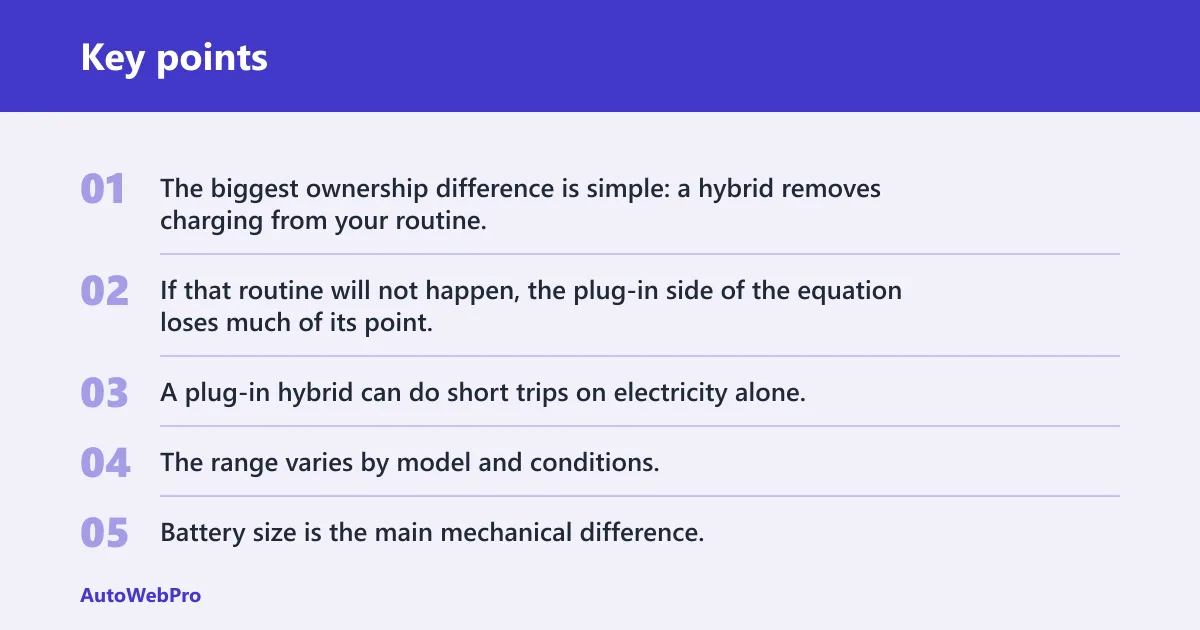
The biggest ownership difference is simple: a hybrid removes charging from your routine, while a plug-in hybrid asks you to plug in often enough to use the battery. If that routine will not happen, the plug-in side of the equation loses much of its point.
Electric-only travel
A plug-in hybrid can do short trips on electricity alone, which is where its value comes from. The range varies by model and conditions, so the useful question is whether your normal daily miles fit inside that battery window often enough to matter.
Battery size
Battery size is the main mechanical difference. A hybrid battery is typically around 1 kilowatt-hour, while a plug-in hybrid battery is usually about 10-20 kWh in size, which is why the plug-in version can travel farther on electricity but also carries more mass and cost. (Caranddriver)
City traffic efficiency
Both powertrains use regenerative braking, which turns slowing down into stored electrical energy. That matters most in stop-and-go traffic, where repeated braking gives the battery more chances to recover energy than steady highway cruising does.
Long-trip behavior
On a road trip, a plug-in hybrid eventually becomes a charge-sustaining vehicle after the battery is depleted. At that point, it behaves like a conventional hybrid, with the gas engine taking over most of the work and the battery helping in the background.
Best fit for no-home-charging drivers
If you cannot charge at home, a hybrid is usually the cleaner ownership fit. A plug-in hybrid can still work, but only if you have reliable charging at work or another regular place to top off often enough to keep the battery doing most of the driving.
📊 A hybrid’s battery is typically around 1 kilowatt-hour, enough for short energy recapture cycles. Source: Caranddriver.
Battery size and electric range
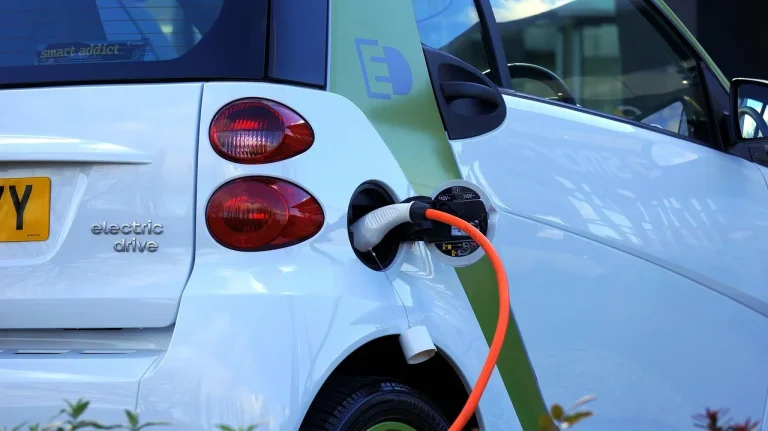
The practical difference starts with the battery. Hybrids use a small battery and recover energy during driving, while plug-in hybrids use a much larger battery that can power the car for a limited distance before the gas engine steps back in.
Typical hybrid battery size
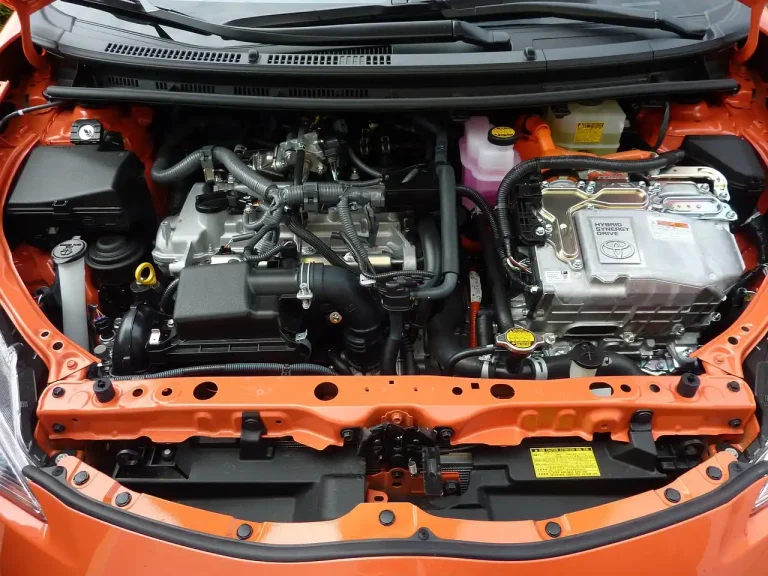
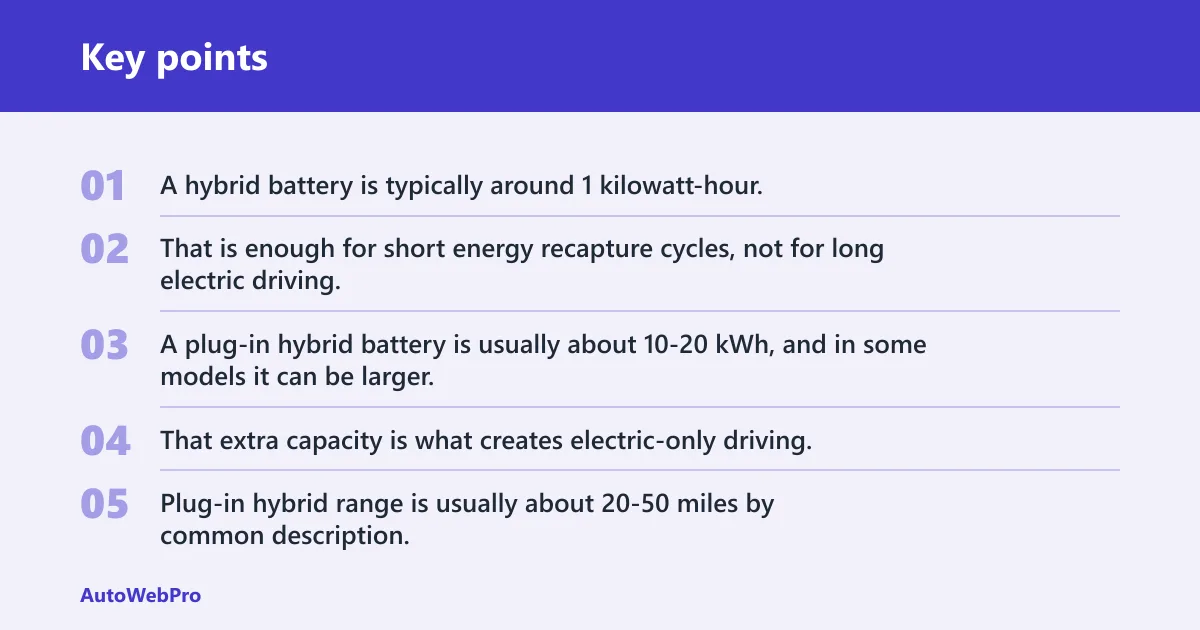
A hybrid battery is typically around 1 kilowatt-hour. That is enough for short energy recapture cycles, not for long electric driving, which is why the car relies on the gas engine and electric assist together.
Typical plug-in hybrid battery size
A plug-in hybrid battery is usually about 10-20 kWh, and in some models it can be larger. That extra capacity is what creates electric-only driving, but it only pays off when you can recharge it often.
What electric-only range means in practice
Plug-in hybrid range is usually about 20-50 miles by common description, though some models sit outside that band. The 2025 Mazda CX-70 PHEV travels 26 miles on electricity alone, the 2025 Mercedes-Benz GLC Plug-In Hybrid has 54 miles of all-electric driving range, and the 2026 Toyota RAV4 Plug-In Hybrid can achieve up to 52 miles of all-electric range.
Say your weekday round trip is 18 miles and you can charge at home every night. A plug-in hybrid can cover that commute with electricity alone on most days, then use gasoline mainly for longer errands and road trips.
Suppose your daily drive is 42 miles and you have no home charging. A plug-in hybrid may still run electrically for part of the trip, but the battery will empty before the day is over, and the ownership case starts to look much less compelling.
Do plug-in hybrids need to be charged?
Yes, if you want the plug-in part to matter. A plug-in hybrid can run without charging, but its larger battery only delivers a real benefit when you recharge it often enough to use the electric miles before the battery is depleted.
Level 1 charging from a standard outlet
Level 1 charging uses a standard household outlet. It is the slowest option, but it can still make sense for drivers with short daily mileage and overnight parking.
Level 2 charging at home or public stations
Level 2 charging uses 240-volt equipment and is faster. For many plug-in hybrid owners, Level 2 is the most practical way to refill the battery often enough to keep gasoline use low.
Why most plug-in hybrids do not use DC fast charging
Most plug-in hybrids do not support DC fast charging. That means the battery is usually meant for overnight or longer stops, not for the kind of rapid refill you expect from a full battery-electric vehicle.
How does a hybrid recharge without plugging in?
A hybrid recharges through regenerative braking and engine-assisted charging, so it does not need an outlet. That makes it easier to live with if you want electrified driving but do not want to change your parking or charging routine.
Regenerative braking
Regenerative braking converts motion into stored electrical energy. It is used by both hybrids and plug-in hybrids, and it works best when the car is slowing down often, such as in city traffic or on a route with many stoplights.
Engine assistance and battery maintenance
The gasoline engine also helps keep the battery charged during normal driving. A hybrid’s small battery is designed for these short charge and discharge cycles, which is why the vehicle can operate efficiently without ever being plugged in.
Why this works well in stop-and-go traffic
Stop-and-go driving gives regenerative braking more chances to recover energy. That is one reason hybrids often feel especially well matched to urban use, where frequent braking would waste more energy in a conventional gas-only car.
What happens when the battery runs out?
When a plug-in hybrid battery is depleted, the vehicle switches to charge-sustaining mode. It still drives, but it now behaves much more like a hybrid, with the gas engine doing the main work and the electric motor assisting when useful.
Charge-sustaining mode
In charge-sustaining mode, the car protects battery charge and operates like a hybrid. The main difference is that you are carrying a larger battery pack that you are no longer using for electric-only miles.
How a plug-in hybrid behaves after depletion
After the electric range is gone, a plug-in hybrid becomes a heavier version of a hybrid for the rest of the trip. You still get hybrid operation, but the extra battery mass can dilute the advantage if you rarely charge in the first place.
Why a never-charged plug-in hybrid loses much of its advantage
If a plug-in hybrid is never charged, much of its value disappears. You are left with a vehicle that carries more battery hardware but does not use the battery for the daily electric miles that justify the purchase.
Hybrid decision matrix
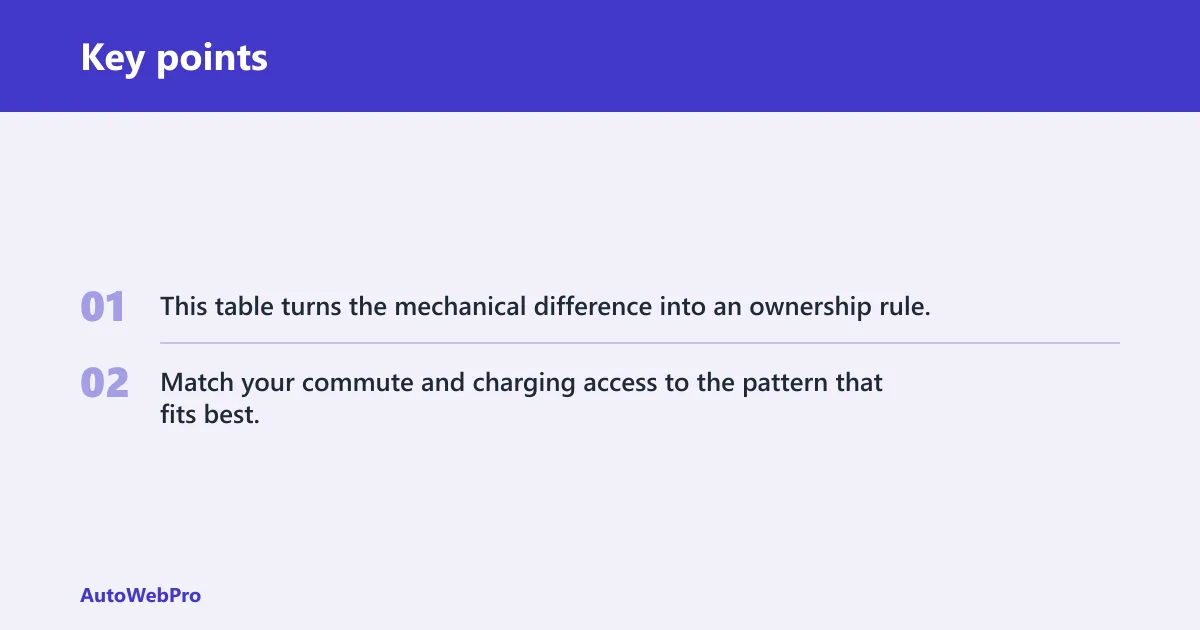
This table turns the mechanical difference into an ownership rule. Match your commute and charging access to the pattern that fits best, then pick the option that does the least work for your routine.
| Commute length | Home charging access | Expected EV-only miles used per day | Likely gasoline use | Best fit |
|---|---|---|---|---|
| Under 20 miles round trip | Yes, overnight charging available | Most or all daily miles | Low on weekdays; mainly trips and cold-weather days | Plug-in hybrid |
| Under 20 miles round trip | No home charging | Little to none, unless workplace charging is reliable | Moderate to high | hybrid |
| 20 to 40 miles round trip | Yes, regular charging | Most days fit, but not every day in every condition | Low to moderate | Plug-in hybrid |
| 20 to 40 miles round trip | No regular charging | Usually only part of the commute | Moderate | hybrid |
| Over 40 miles round trip | Yes, but not daily | Some electric use, then gas for the rest | Moderate to high | hybrid |
| Over 40 miles round trip | Yes, daily and dependable | Part of the commute, with gas for the remainder | Depends on how much of the route fits inside the electric range | Plug-in hybrid |
Choose Plug-in hybrid if… / Choose hybrid if…
Choose Plug-in hybrid if… your daily driving is usually inside the electric-only range, you can charge at home most nights, you have a predictable commute, and you want to cut gasoline use on short trips and local errands.
Choose hybrid if… you cannot charge regularly, you want the simplest ownership routine, your driving is mixed or unpredictable, or you want hybrid efficiency without planning around a plug.
A common first-timer mistake is buying a plug-in hybrid for city commuting, then parking it on the street and never charging it. In that case, the car spends most days operating like a heavier hybrid, so the added battery hardware pays back poorly.
For apartment dwellers, the answer often comes down to access, not ideology. If you can only charge occasionally, a hybrid is usually the more practical buy; if you can charge every night and most of your miles stay inside the battery’s electric window, a plug-in hybrid can make strong sense.
Frequently asked questions
What is the difference between a plug-in hybrid and a hybrid?
A hybrid uses a small battery that is charged by regenerative braking and engine operation, so you do not plug it in. A plug-in hybrid uses a much larger battery, can recharge from an outlet or charging equipment, and can drive on electricity alone for a limited distance before switching to hybrid operation.
How far can a plug-in hybrid drive on electricity alone?
That depends on the model. A common range is about 20-50 miles, though some examples fall outside that band. The 2025 Mazda CX-70 PHEV is rated at 26 miles, while the 2025 Mercedes-Benz GLC Plug-In Hybrid has 54 miles of all-electric driving range.
What happens when a plug-in hybrid battery runs out?
It switches to charge-sustaining mode and behaves much like a hybrid. The gas engine takes over the main job, the electric motor still assists, and the car keeps driving even though the battery no longer supports electric-only travel.
Is a plug-in hybrid worth it if I don’t charge every day?
Usually no, unless you still charge often enough to use most of the battery’s electric miles each week. If you rarely charge, the vehicle becomes a heavier and more complex hybrid, and much of the extra cost no longer works in your favor.
How does a hybrid recharge its battery if it isn’t plugged in?
It uses regenerative braking and help from the gasoline engine. Regenerative braking captures energy that would otherwise be lost during slowing, and the engine keeps the battery in its working range without any plugging in.