Public Charging for EVs: How It Works and What It Costs
Public EV charging is often billed by kWh, by minute, or by session after authorization with an app, card, or RFID; the cheapest workable choice is often the slowest charger that still fits your schedule. Choose badly and you can pay roughly two to five times more per mile, lose time at stalled or broken chargers, or end up short on range. This guide explains how a session works, how the car and station communicate, which fee models matter, and how to pick the cheapest usable option.
What happens during a public charging session?
Public charging sends grid power to the car’s battery, but the bill depends on more than electricity delivered. A session may involve charger-car and payment checks before power delivery, which often slows as state of charge rises, and the bill may include parking, session, or idle fees.
From plug-in to payment authorization
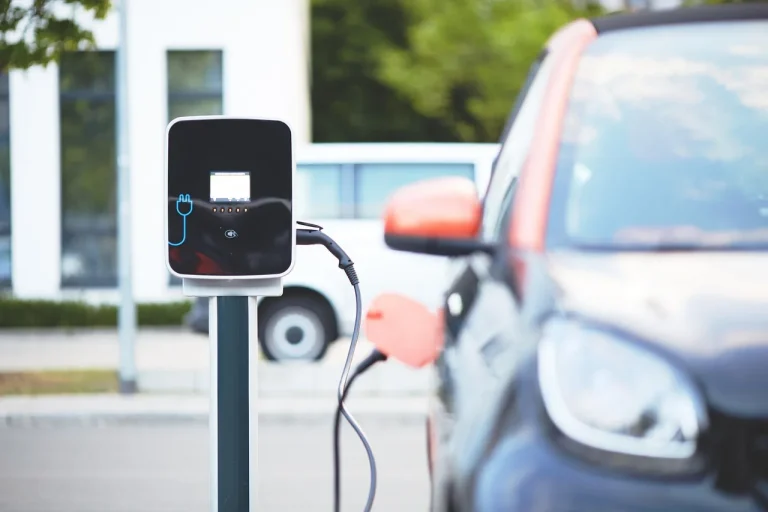
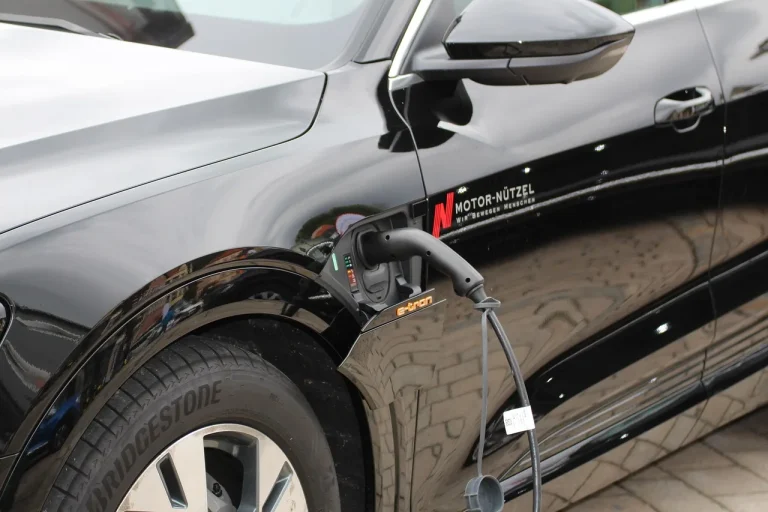
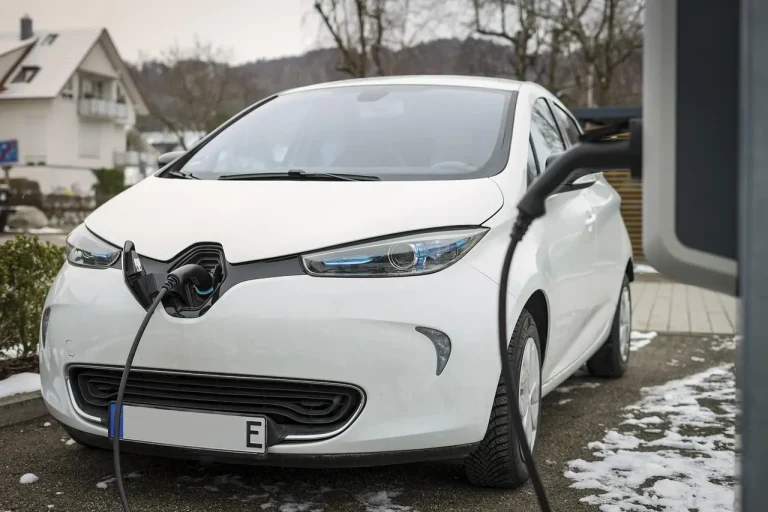
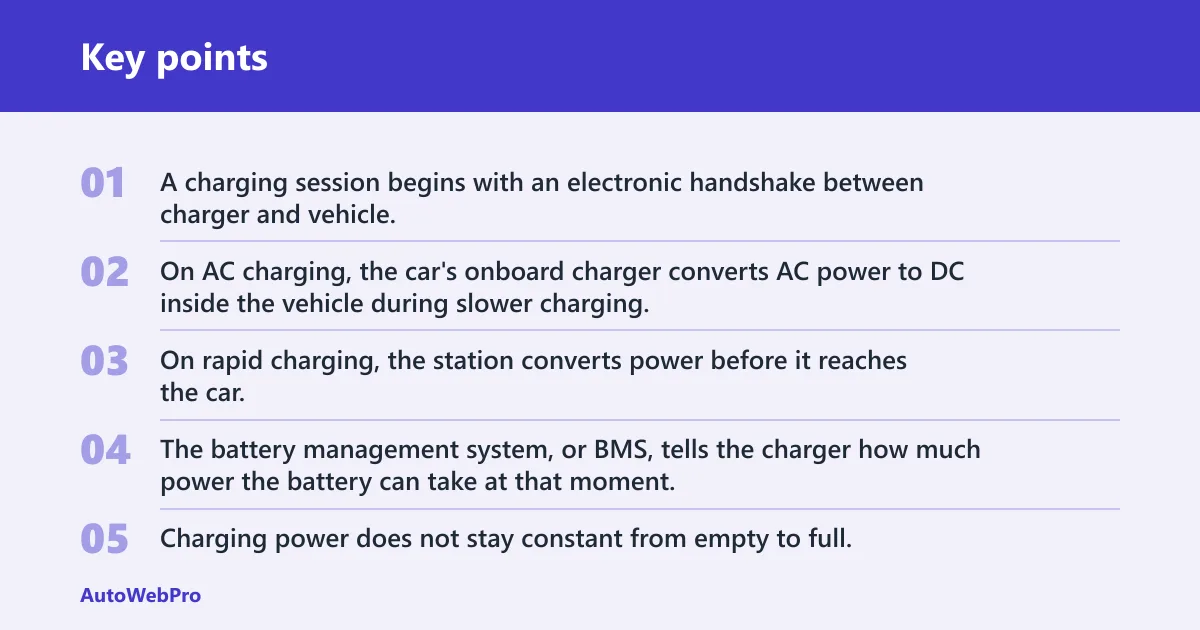
A charging session begins with an electronic handshake between charger and vehicle. After the connector locks, the station checks that the plug type matches the car, the car reports what it can accept, and the network verifies payment if the site is managed by a charging provider.
Public stations are shared assets. They may be operated by charging networks, site hosts such as parking garages or retailers, utilities, or automakers. Payment may run through a network app, an RFID card, a contactless card, or plug-and-charge where the vehicle and network account already recognize each other.
How the car, charger, and network exchange data
On AC charging, the car’s onboard charger converts AC power to DC inside the vehicle during slower charging. That hardware sets the car’s maximum AC intake, so a high-power Level 2 pedestal does not guarantee the same speed for every EV.
On rapid charging, the station converts power before it reaches the car. That means the DC fast charger bypasses the onboard charger for the main power conversion job, while the battery management system still controls safe intake, temperature protection, and charge limits.
The battery management system, or BMS, tells the charger how much power the battery can take at that moment. It watches battery temperature and state of charge, then asks for less power when the pack gets hotter or fuller. That is why the posted power on the dispenser is a ceiling, not a promise.
Why charging power rises, holds, and then tapers
Charging power does not stay constant from empty to full. After the session starts, power may ramp up, then hold for a period, then taper as the battery fills. The last part of the session is usually the worst value on a time basis, especially on DC fast charging, because you keep paying while the car accepts less power.
Michelin says rapid charging can get an EV to 80% in 15 to 40 minutes. That helps explain why many drivers stop early on road trips instead of pushing to full. The last 20% often takes a disproportionate share of the stop.
Say your battery is warm, you arrive at a busy highway site at 12%, and the charger is rated far above what your car can accept. The station may still settle at the car’s lower limit, then slow again past 60% or 70%. The posted number on the screen did not change, but your real cost per added mile did.
Which public charger are you actually using?
The answer matters because charger type changes both time and price. Level 2 public charging delivers AC and is usually the lower-cost on-the-go choice, while DC fast charging converts power at the station and costs more on average because it buys speed, site power, and faster stall turnover.
Level 2 AC chargers and what the onboard charger limits
Level 2 chargers are common at hotels, restaurants, shopping centers, parking garages, workplaces, and multifamily buildings. They are slower than DC fast chargers, but they often fit the cheapest usable plan for errands, dinner, work, or long parking sessions.
EnergySage describes Level 2 public charging as the most budget-friendly on-the-go option. That does not mean every Level 2 site is cheap. A session fee, a parking fee, or a strict time limit can erase the price advantage if the car stays longer than the useful charging window.
The onboard charger is the main limiter on AC. If your EV can only take a modest AC rate, a pricier per-minute Level 2 station can become poor value because the meter keeps running while the car sips power. That is a hidden cost many shopping-center comparisons miss.
DC fast chargers and why they bypass the onboard charger
DC fast chargers are built for quick refills. They convert AC to DC at the station before power reaches the car, so they bypass the onboard charger for the main conversion step and feed the battery more directly, subject to the BMS, cable cooling, site power sharing, and battery conditions.
These chargers are usually the highway and short-stop tool. They make sense when time matters more than raw energy price, when the battery is low enough to accept strong power, and when the route depends on a fast turnaround.
Connector compatibility, vehicle limits, and posted power ratings
Before plugging in, confirm three things: connector type, the station’s posted power, and the car’s own maximum acceptance rate. A charger labeled for very high output does not make a slower-charging car faster, and a low battery temperature can hold power down even when everything matches.
Picture a compact EV parked at a per-minute DC site with a very high cabinet rating. If that car’s peak intake is well below the cabinet’s ceiling, the driver is buying expensive potential rather than actual delivered speed. The rate plan matters as much as the hardware label.
How to use a public charger step by step
If you are new to public EV charging, this guide walks you through the full process from plug-in to unplug. It explains how to authorise a session with an app, card, or tap-to-pay method, how AC and DC chargers can differ, and how to confirm that charging has actually started. It also covers the practical checks that save time at the station, such as choosing the right connector and handling payment or app issues before they become delays. For a clear walkthrough, see public charging step-by-step.
It matters because small mistakes can stop the session from starting, lock the connector in place, or leave you unsure whether charging is underway. Knowing the stop sequence is just as important, especially when you need to unplug safely and move on.
Why do public charging prices vary so much?
Public charging prices vary because the bill can include energy by the kWh, time by the minute or hour, fixed session charges, parking charges, and penalties after charging ends. Network policy, local electricity costs, state billing rules, site host decisions, and charger speed all shape the final number, so two nearby stations can price the same stop very differently.
Per-kWh pricing versus per-minute pricing
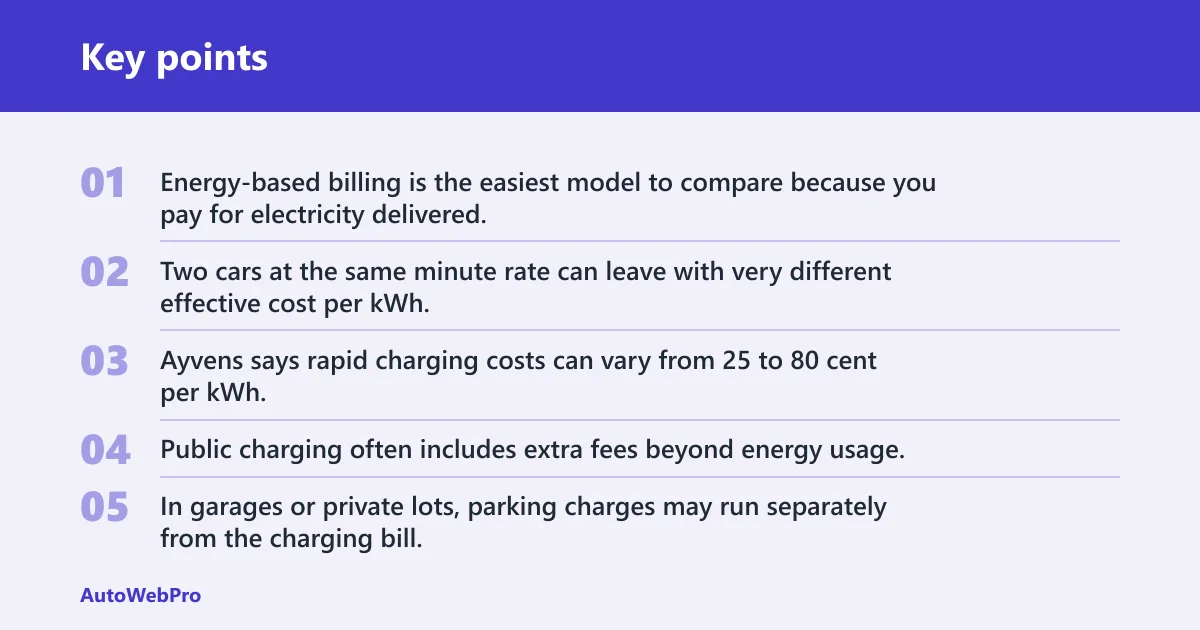
Energy-based billing is the easiest model to compare because you pay for electricity delivered. EnergySage’s summary puts public charging at around 37 cents per kWh on average, while home charging averages about 17 cents per kWh. That gap is only context here; the public side still splits into very different real-world outcomes.
Per-minute pricing is trickier. It can be fair for a fast-charging vehicle that holds strong power, but it can punish a slower car, a cold battery, or a session that tapers early. Two cars at the same minute rate can leave with very different effective cost per kWh.
Ayvens says rapid charging costs can vary from 25 to 80 cent per kWh. That range shows why a single national average is only a starting point, not a shopping answer.
Session fees, parking fees, and idle fees
Public charging often includes extra fees beyond energy usage. Some stations charge a fixed session fee on top of power delivered, and idle fees can apply if a car stays plugged in after charging is complete. In garages or private lots, parking charges may run separately from the charging bill.
Those add-ons change the best choice by use case. A quick errand may tolerate a modest session fee if the kWh rate is low. An overnight stay at a hotel can become expensive if parking is metered after a grace period or if the site bills by minute instead of by energy.
Network, site host, utility, and location effects on price
DC fast charging usually costs more than Level 2 because the equipment is more expensive, the site needs more power capacity, utilities may apply demand charges, and the operator expects faster turnover. There is also a convenience premium: drivers pay more because a rapid stop can save significant time.
Site hosts may also shape the price. A shopping center may subsidize Level 2 charging to attract longer visits, while a highway plaza may price DC fast charging around turnover and peak travel demand. State rules matter too, because billing methods can differ by market.
How much does public charging cost in real use?
Real public charging cost comes from the posted rate multiplied by your car’s actual charging speed, then adjusted by session, parking, or idle fees. A cheap per-kWh Level 2 stop can beat a faster charger for planned parking, while a per-minute DC session can become expensive if the car tapers early or charges slowly.
Level 2 top-ups for errands, work, and overnight parking
Level 2 usually fits the lowest-cost public plan when the car is already going to sit. That covers work shifts, dinner stops, hotel stays, or a few hours in a parking garage. If the rate is per kWh and there is no extra parking fee, the math is easier and usually more forgiving.
Qmerit says Level 2 public EV charging stations cost about $964 per year. Treat that as broad annual context, not a promise for any one driver. A nearby apartment garage with high parking charges can exceed that quickly, while a workplace with subsidized rates can undercut it.
DC fast charging for quick refills and highway stops
DC fast charging is the time-saving choice. It is usually the wrong tool for routine full charges if a slower option is available and your schedule allows it. The highest-value fast-charge session is often a short refill from a low state of charge to the point where charging speed starts falling hard.
The same source says DC fast charging runs about $2,043 per year. That figure reflects how buying speed regularly costs more. It also leaves out the hassle cost of reliability problems, queues, and the extra minutes lost when a car stays on the charger deep into the taper zone.
How a slow-charging vehicle can pay more on per-minute billing
Per-minute billing separates winners from losers. A car that holds high power for much of the stop can get reasonable value. A car with a lower maximum DC intake, a colder pack, or a smaller onboard AC charger can pay more for each useful kWh because time, not delivered energy, drives the bill.
Suppose two EVs use the same per-minute fast charger on a winter evening. One accepts strong power immediately; the other starts lower because the battery is cold. The station clock charges both the same way, but the colder car leaves with less energy for the money.
Charging cost decision table
| Charging scenario | Likely fee model | Typical risk/cost driver | Best-value tactic |
|---|---|---|---|
| Level 2 top-up | Per kWh or per hour, sometimes a fixed session fee | Session fee can overwhelm a small energy add; per-hour billing hurts slower AC-charging cars | Use it only when the car will already be parked for at least an errand or meal. Decision rule: if you need a modest top-up and have time to dwell, choose Level 2 before DC fast. |
| DC fast charge | Per kWh, per minute, or both with possible idle penalties | High posted price, taper above higher state of charge, and per-minute billing on slower cars | Arrive low, leave before the slow end of the curve unless the route requires more. Decision rule: use DC fast when time or trip continuity matters more than absolute energy price. |
| Apartment-based charging | Level 2 plus parking fee, monthly access, or building-set pricing | Limited overnight access, occupied stalls, garage time limits, and separate parking costs | Build a weekly plan around reliable overnight or workplace dwell windows, not emergency fast charges. Decision rule: public-only ownership works best when a dependable Level 2 site sits near home or work. |
| Road-trip charging | DC fast charging priced by network and location, sometimes with higher corridor pricing | Broken stalls, queues, payment issues, and expensive last-20% charging | Check live status, price, and backup sites before arrival, then make shorter stops around the battery’s faster range. Decision rule: two efficient fast stops usually beat one long stop to near-full. |
Can public charging work if you do not have home charging?
Yes, but only if the local charging pattern matches your parking pattern. Public-only EV ownership works best when there is reliable Level 2 near home, work, or regular destinations, because depending on DC fast charging alone usually raises cost, adds scheduling friction, and exposes you to more reliability risk.
Apartment and condo use: cost, access, and dwell time
For apartment residents, the key question is not whether a charger exists somewhere nearby. The real question is whether a dependable stall is available during the hours the car is already parked, at a rate that still makes sense after parking and session fees.
A building garage with shared Level 2 can be excellent if the stall turnover is managed and overnight use is realistic. A retail charger three miles away may look close on a map, but it becomes a poor primary plan if it is frequently occupied or if you need to move the car late at night to avoid idle fees.
Workplace and destination charging as a primary plan
Workplace charging can carry a surprising share of weekly energy needs because the car sits for hours anyway. The same logic applies to gyms, hotels, campuses, and long restaurant visits. The best-value public charging happens when charging time overlaps with time you were already spending there.
When public charging-only ownership makes sense
It makes sense when the driver has predictable routines, modest daily mileage, and more than one reliable public option. It makes less sense when every recharge depends on busy fast chargers, late-night garage access, or stations with weak reliability.
MotorTrend cites Harvard research finding U.S. charging stations average a 78% reliability score. That is good enough to plan around with backups, but not high enough to assume every stop will work on the first try. (Motortrend)
How do you find the current price before you plug in?
The best method is to check the station’s own app or in-app station details before arrival, because many networks show live price, power level, connector type, and availability there. That lets you compare the posted fee with your car’s expected charging speed instead of choosing by map pin alone.
What charging apps usually show before you arrive
Most charging apps show whether the site is Level 2 or DC fast, which connectors are present, whether stalls are available, and what pricing model applies. Some also show recent check-ins, outage notes, or occupancy patterns that help you avoid known trouble spots.
Some stations still require the network app or an RFID card for the smoothest start, even if contactless payment exists at the pedestal. Setting up accounts before a trip reduces the chance of standing at a charger while cellular service or card authorization slows things down.
How to compare live price with expected charging speed
- Check the fee type. Confirm whether the station bills by kWh, minute, session, parking time, or some mix. This tells you whether speed or dwell time will drive the bill.
- Match your car’s limit. Compare the station’s power label with your EV’s AC and DC charging capability from the vehicle menu or manufacturer specs. A faster pedestal only saves money if your car can use that extra power.
- Estimate your useful window. Decide how much energy you actually need, not how much the battery can hold. Stopping earlier often avoids the slow, expensive end of the charge curve.
- Scan for add-on fees. Look for session fees, parking charges, or idle penalties in the app details. A cheap headline rate can turn costly if the site adds fixed charges.
- Save a backup stall. Note a second nearby station on the same route. Reliability, occupancy, and payment problems matter enough that one-option planning is risky.
Payment setup that reduces failed starts
- Load payment first. Add a current card to the network app before you leave home or before you start the trip. That avoids re-entering details with weak signal or a crowded screen flow.
- Carry RFID backup. Keep the network’s RFID card if the provider offers one and you use that network often. It can work when app pairing is slow or the pedestal screen is unresponsive.
- Confirm plug-and-charge support. Use automatic authorization only if both the car and the station network support it for your account. Compatibility still varies by automaker and provider.
What causes public charging sessions to fail?
Most failed sessions come from payment authorization problems, connector or software mismatches, occupied or broken stalls, and chargers that start but deliver less power than expected. Public charging reliability is part of cost, because every failed start or low-power session wastes time and can force a more expensive backup stop.
Payment and app authorization problems
Common failure points include expired cards in the app, poor cellular reception, frozen app screens, or networks that require a member account when the driver expected tap-to-pay. If the session will not initialize, payment is one of the first things to check.
Connector, software, and communication mismatches
The charger and car have to agree on connector type, lock status, and charging limits before power flows. Software mismatches or incomplete plug seating can interrupt that exchange. A session may appear to begin, then stop seconds later because the lock did not fully engage or the car rejected the request.
Low-power sessions, occupied stalls, and basic troubleshooting
Not every failure looks like a hard error. Some sessions begin normally but deliver much less power than the driver expected because the cabinet is sharing power, the battery is cold, the site is derating, or the car is already at a higher state of charge and tapering.
- Verify connector fit. Confirm you chose the right plug and push it in firmly until the vehicle and charger indicate a lock. A loose connector can trigger repeated handshakes without starting power flow.
- Restart the session. Stop the charge in the app or on the pedestal, wait a moment, then begin again. This can clear a bad authorization or stalled software state.
- Reseat or move stalls. Unplug and reconnect once, then switch to another dispenser if the site has one. A single faulty handle is common enough that moving one stall can solve it.
- Check vehicle limits. Make sure the car is not set to a lower target, scheduled charging window, or reduced current mode. Those settings can mimic a broken charger.
- Call the network last. Contact support after basic checks fail and keep the stall number ready. That shortens the support call and helps the operator log the right dispenser.
Frequently asked questions
How does public EV charging actually work?
You plug in, the connector locks, and the charger and car begin an electronic handshake. The network or payment system authorizes the session, power flows as AC or DC depending on station type, the battery management system adjusts intake as conditions change, and billing closes out when charging stops.
How much does public charging cost per kWh?
EnergySage’s summary puts public charging at around 37 cents per kWh on average, but actual public pricing varies by network, charger speed, location, and fee model. Rapid charging can vary from 25 to 80 cent per kWh, and some stations bill by minute or add fixed session charges instead.
Why is DC fast charging more expensive than Level 2?
DC fast charging costs more because the station does the power conversion, the hardware and site power requirements are higher, utilities may add demand-related costs, and the operator prices for speed and stall turnover. Drivers also pay a convenience premium because faster charging saves travel time.
Do public chargers charge idle fees or session fees?
Many do. Public charging often includes extra fees beyond energy usage, and some networks add a fixed session fee. Idle fees can apply after charging finishes if the car stays plugged in, especially at busy stations where the operator wants faster turnover and better stall availability.
How long does public charging take by charger type?
Level 2 charging is the slower option and works best during longer parking periods such as work, dinner, or overnight stays. Rapid DC charging is much faster; Michelin says it can get an EV to 80% in 15 to 40 minutes, though battery temperature and vehicle limits still matter.