Plug-in Hybrids Explained
A plug-in hybrid pairs a battery you charge from an external power source with a gas engine. It makes the most sense when your usual daily driving fits within its electric range, usually around 20 to 30 miles, though EPA estimates for 2024 run from 7 to 51 miles. Choose poorly, and you can pay more upfront, use more fuel than expected, and haul battery weight without getting EV-like savings. This guide explains how plug-in hybrids compare with regular hybrids and EVs, who benefits, who should skip them, and what charging habits keep costs down.
The key buying rule is simple. A PHEV pays off when you can plug in often, do a lot of local driving, and use the engine mainly as backup. If you cannot charge regularly, a standard hybrid usually fits better. If you can charge easily and do most miles electrically, a full EV often fits better.
What is a plug-in hybrid?
A plug-in hybrid electric vehicle uses a combustion engine, one or more electric motors, and a battery pack that can be recharged from the grid. It matters because the battery is much larger than a regular hybrid’s, so the car can drive on electricity alone for part of normal daily use.
The short definition shoppers actually need
For buying decisions, think of a PHEV as a car with two energy sources. It can run like an EV for shorter trips, then keep going as a hybrid when the battery charge drops. That is different from a standard hybrid, which cannot be plugged in and typically has less EV-only capability.
PHEVs plug into the grid for charging, and they are often described as regular hybrids with much larger batteries. A conventional hybrid mainly uses its battery as a buffer. A PHEV uses its battery as a real power source for daily driving.
The main parts
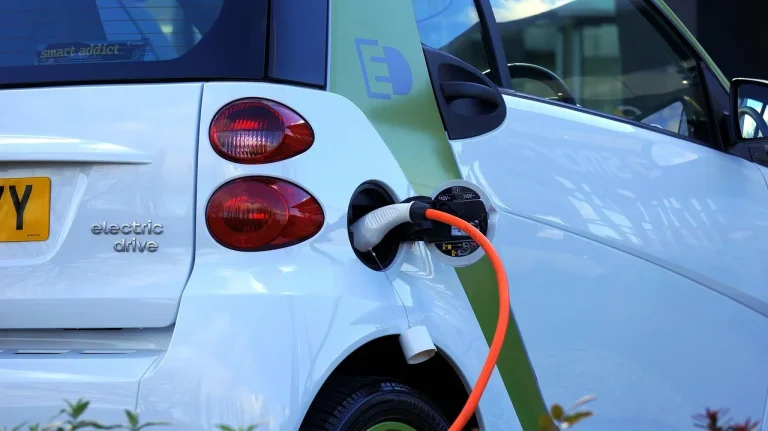
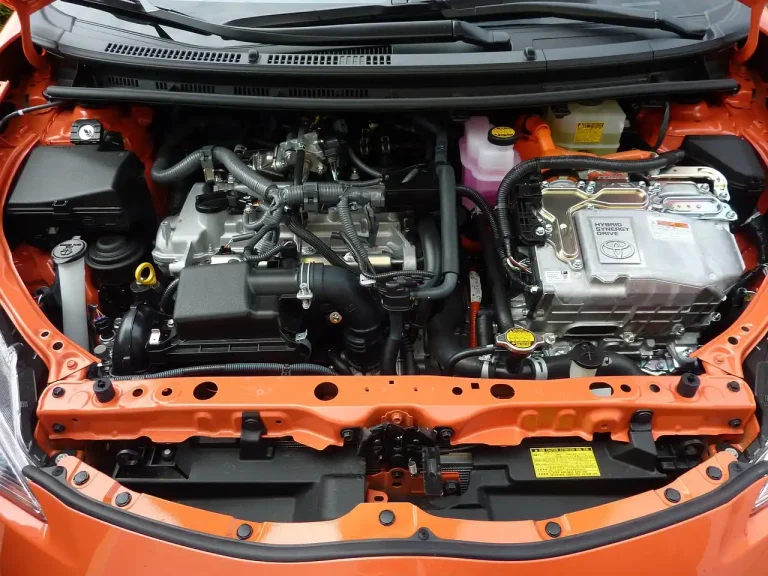
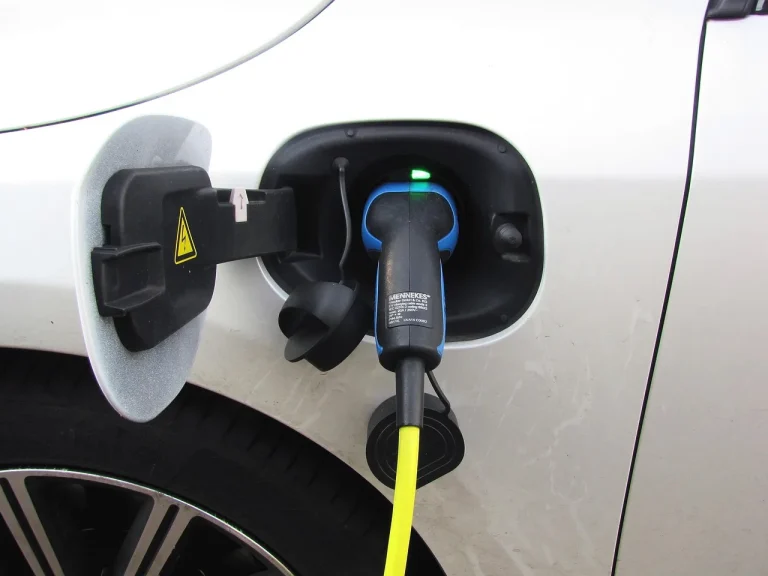
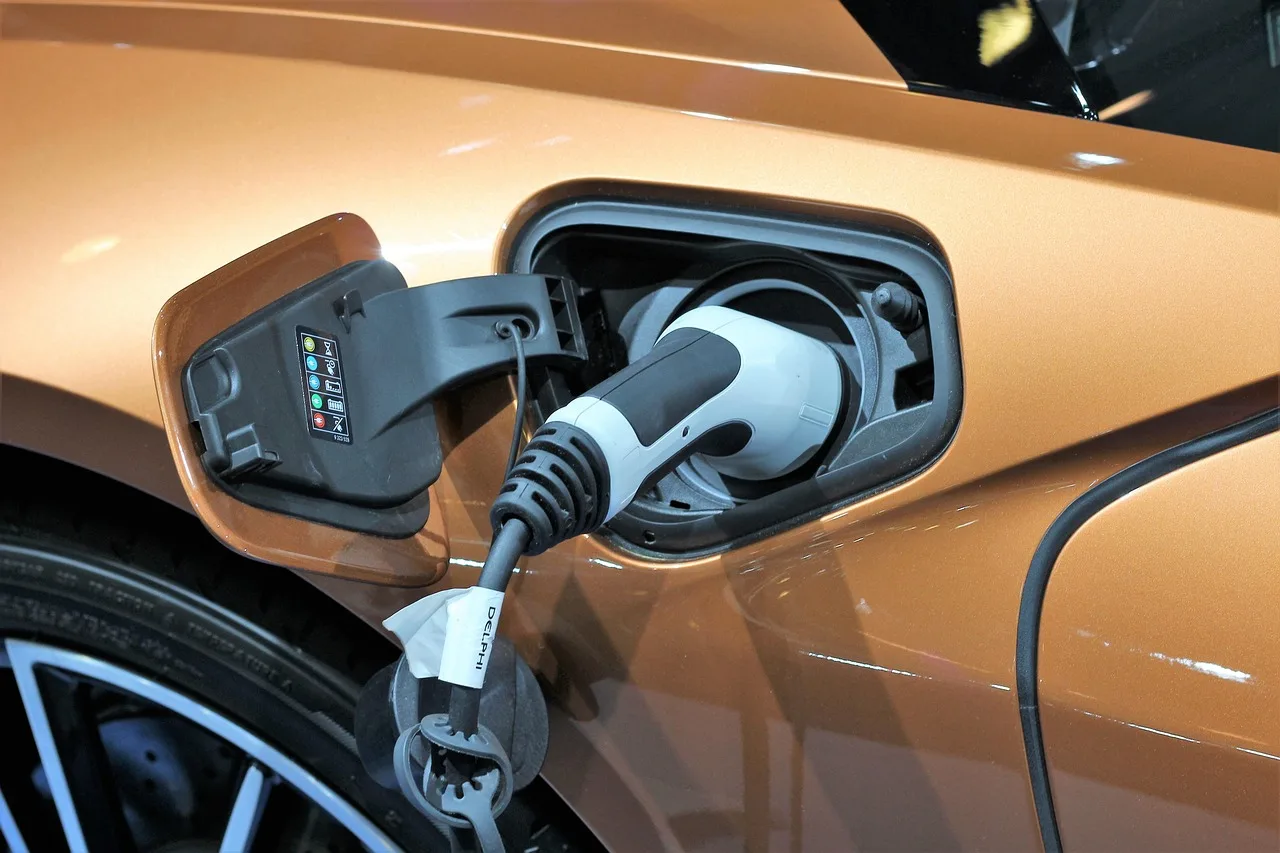
The hardware is straightforward. Most consumer PHEVs use a petrol engine, plus one or more electric motors, a battery pack, a charge port, an onboard charger that controls incoming electricity, and regenerative braking that sends some energy back to the battery while slowing.
The electric motor can move the car by itself in many PHEVs. The engine backs it up on longer trips or after the battery is depleted. Under hard acceleration, both can work together.
Why the battery is larger than a regular hybrid battery
A PHEV battery is usually much larger because it is built to cover a meaningful share of driving, not just brief low-speed movement. One source puts a plug-in hybrid battery at usually 10 to 20 kWh. That is enough for some electric-only driving, but far short of a typical full EV pack.
The result is a vehicle that can operate as an electric vehicle for some distance, then fall back to hybrid operation. That middle ground is the whole point.
How does a plug-in hybrid work?
A plug-in hybrid starts by using stored electricity when charge is available, then shifts to hybrid operation when that charge runs down. The engine may also join in during strong acceleration or high-speed driving. Regenerative braking sends some energy back into the battery during deceleration.
Electric-only driving
With charge in the battery, many PHEVs can drive in EV mode for local trips. That is where the savings usually happen: school runs, errands, urban commutes, and short out-and-back journeys with plenty of lower-speed driving.
Most plug-in hybrids have an electric-only range around 20 to 30 miles. That is close to Electrifying’s cited average daily commute in England and Wales of around 20 miles, which helps explain why the format can work well for predictable weekday use.
Engine backup after depletion
When the battery’s usable charge is spent, the car does not stop or behave like a stranded EV. It continues as a hybrid. The engine takes a larger role, and the motors still help at times, but fuel economy is usually worse than when the trip started with charge.
This point often gets blurred in marketing. A depleted PHEV is not operating like a full EV with some hidden reserve. It is operating like a heavier hybrid carrying a larger battery pack and plug-in hardware.
Combined operation under load
Ask for full power, merge uphill, or tow near the vehicle’s limit, and many PHEVs use both engine and motor together. That can make them quick. It does not change the buying rule, though. Strong system output is nice, but charging access matters more than the badge or the power figure.
What regenerative braking adds
Regenerative braking captures some energy when you lift off the accelerator or press the brake, and that helps most in stop-and-go use. City and suburban driving give the system more chances to recover energy. Steady motorway cruising gives it fewer chances, which is one reason PHEVs usually work better in local traffic than on long high-speed runs.
How far can a plug-in hybrid go on electricity alone?
Electric-only range depends heavily on the model, battery size, speed, weather, and route. EPA PHEV range estimates for 2024 run from 7 to 51 miles, while many mainstream models sit around 20 to 30 miles. That spread is wide enough to decide whether a PHEV fits your week or misses it. (Caranddriver)
Why published range varies so much
Some PHEVs are tuned around tax rules or fleet use and offer only a short electric window. Others are built to cover a real daily commute. The Chevrolet Volt was a key early plug-in hybrid example because it pushed the idea of using meaningful electric miles before the engine stepped in.
Model examples show how much the range spread matters. Electrifying mentions the Mitsubishi Outlander PHEV at 28 miles of electric range. It also mentions the BMW X5 Hybrid as able to cover work and back on electric miles alone for some drivers. Those are very different ownership stories, even though both wear a PHEV badge.
What short, medium, and long PHEV range means in daily use
A short-range PHEV, around the bottom end of the market, is best thought of as an electric-assist car with plug-in capability. It may handle a very short school run or urban errand loop on battery, but not much more.
A mid-range PHEV often lines up with the common suburban pattern: one commute, a grocery stop, then home. That is where charging every night starts to matter a lot, because each day begins with a fresh bank of electric miles.
A long-range PHEV gives more breathing room. It may cover many weekday miles electrically, even if one trip runs longer than planned. It still is not a full EV. On a motorway trip that lasts for hours, the engine will still spend far more time working.
Picture a 12-mile each-way commute with slower roads, one midday errand, and home charging overnight. A mid-range PHEV may complete nearly all weekday miles electrically. Change only one thing, from urban roads to a fast motorway route, and the electric portion usually shrinks faster.
Why motorway speed changes the result
Higher speed raises energy use. In a PHEV, that means the battery’s EV window often disappears faster on motorways than in town. Once that charge is gone, the engine carries more of the trip, so a motorway-heavy driver sees less benefit from the plug-in hardware.
Plug-in hybrid vs hybrid vs EV
When a standard hybrid makes more sense
A regular hybrid often wins when you cannot plug in reliably, do many mixed trips, and want efficiency without changing habits. It has a smaller battery, no need for charging access, and fewer expectations to manage. If the car will spend most days parked on the street with no charging option, that usually points to a standard hybrid.
A common first-timer mistake is paying for a PHEV to chase fuel savings, then charging only now and then because the car lives two blocks from the nearest open charger. In that case, the larger battery and extra hardware become cost and weight, not savings.
When a full EV makes more sense
A full EV usually fits better when you have dependable home charging and want most miles to be electric, including a lot more than a PHEV’s range can cover. It removes the engine, oil changes, and fuel stops, but it also asks you to plan longer trips around charging.
If the household can charge overnight and daily driving regularly exceeds what a PHEV can cover electrically, an EV often beats the compromise. The engine backup that makes a PHEV flexible also adds parts, weight, and maintenance.
Where a PHEV fits between them
A PHEV fits buyers who want electric driving for weekday use but do not want to depend on public fast charging for occasional long trips. It is a bridge product, but only if the charging habit is real. Without that habit, the bridge leads back to hybrid ownership with extra baggage.
Plug-in hybrid or EV: which fits your routine?
The best choice depends on where you can charge and how far you drive most days. If you can plug in regularly and your daily mileage stays within real-world EV range, a battery electric car usually gives the simplest ownership and lowest energy use. If you cannot charge at home or work, or your normal trips often stretch beyond about 40 to 60 electric miles, a plug-in hybrid can be the safer fit because it still runs like a conventional car when needed.
The full plug-in hybrid vs EV comparison breaks down charging access, winter range, and running costs so you can match the powertrain to your actual driving pattern.
Are plug-in hybrids worth it?
Plug-in hybrids are worth it for drivers who can charge regularly, keep many daily trips within the battery’s range, and still need an engine for longer journeys. They are weak value for drivers without charging access, with heavy motorway use, or with habits that leave the battery empty most of the time.
The buyers who usually benefit
The strongest fit is simple: home charging, short to moderate daily trips, and lots of local stop-start driving. Regenerative braking helps in traffic, the electric motor handles low-speed work well, and the engine stays in reserve for weekend distance.
Suppose the household has a driveway and a workplace charger, and the car does two 9-mile trips on weekdays plus errands. That pattern lets a PHEV start most drives with charge. The battery gets used often enough to justify carrying it.
The buyers who usually do not
Now flip the pattern. No driveway. Apartment parking with no outlet. Frequent long motorway runs. In that case, the PHEV spends far more time as a hybrid after depletion, and its heavier hardware may make less sense than a standard hybrid or diesel-free full EV plan.
The ownership trap
Electrifying warns that never charging a PHEV makes it expensive to own and run. That is the trap many guides mention but do not spell out. You paid for a larger battery, charge hardware, and extra complexity, then used almost none of the electric capability that justified them.
The badge does not create the savings. The charging pattern does.
Charging habits and running costs
Why home charging changes the math
Home charging usually matters more than public charging because it turns charging into routine, low-friction behavior. Electrifying says plug-in hybrids work best with daily home charging access. If you need to hunt for a charger every time, many owners simply stop bothering.
The charging side is modest compared with a full EV, but speed still varies. A wall cord on 120 volts charges slowly on many PHEVs, and one source says most PHEVs take 8 to 13 hours on the wall cord. The same source says Level 2 charging can fill a PHEV in about 1.5 to 3 hours.
That matters because a PHEV does not need ultra-fast charging to work well. It needs repeatable charging. Overnight on a driveway or during a workday in a car park is often enough. (Transportation)
Do you need to charge every day?
No, daily charging is not mandatory in every case. It is simply the habit that gets the most from the format. Skip a day and the car still works. Skip most days and it behaves much more like a regular hybrid, often with worse economics than buying a regular hybrid in the first place.
For a buyer whose routine trips fit inside the electric range, charging each night keeps the engine out of those miles. For a buyer who drives only a few days a week, charging before those driving days can be enough.
What happens if you never charge a PHEV
If you never plug it in, the car continues to run using its engine and hybrid system. It does not become unusable. It also does not deliver the ownership case that justified its higher complexity. Fuel use is likely to disappoint, and the battery’s EV capability is largely wasted.
Plug-in hybrids decision matrix
Is a PHEV right for you?
| Scenario | Commute length | Home charging access | Annual motorway miles | Parking situation | Typical charging frequency | Recommendation | Why |
|---|---|---|---|---|---|---|---|
| Urban commuter | 10 miles each way | Yes | Low | Driveway or private space | Most nights | Yes | Daily use fits common PHEV electric range, and regular charging lets the battery do real work. |
| Suburban family | 15 miles each way plus errands | Yes | Moderate | Home charger | Daily on weekdays | Yes | Short local trips and school runs suit EV mode, with the engine covering weekend distance. |
| Apartment driver | 12 miles each way | No | Low | Street parking | Occasional public charging | No | Without dependable charging, a standard hybrid usually delivers simpler and more predictable savings. |
| Sales rep | 35 miles each way | Yes | High | Driveway | Daily | No | Heavy motorway use burns through the electric portion quickly, so a full EV or efficient hybrid often fits better. |
| Rural long-trip driver | 25 miles each way | Yes | Very high | Home parking | Every few days | No | The engine will handle too many miles for the plug-in system to justify its extra cost and weight. |
| Two-car household | 18 miles round trip | Yes | Low | Garage or driveway | Most nights | Yes | A PHEV works well when one car handles local duty and another is available for the longest trips. |
How to choose the right plug-in hybrid
Match the vehicle to the job
Start with use case, not brand. A compact crossover used for school runs and local errands needs a different range target than a large SUV bought for motorway family holidays. Body style still matters for boot space, rear leg room, and towing, but electric range should sit near the top of the checklist.
Prioritize range before badge or power
Two PHEVs can look similar on paper and behave very differently in ownership. A shorter-range model may only trim fuel use around the edges. A longer-range one may cover much of the week electrically. That difference is worth more than a faster sprint time for most buyers.
Check charging speed and packaging tradeoffs
Plug-in systems can cut boot space or affect towing limits because the battery has to live somewhere. Charging time matters too, especially if the car will rely on a standard household outlet. The right PHEV is the one whose range, charging time, and packaging fit your routine without workarounds.
- Map your weekday miles. Add the round-trip commute, school runs, and routine errands on a normal day. If that total sits inside the model’s electric range on paper, the PHEV has a real chance to save fuel in practice.
- Check your charging reality. Confirm where the car will charge most often: driveway, garage, workplace, or nowhere reliable. A PHEV bought without a dependable charging plan is usually a hybrid purchase made the expensive way.
- Separate local and motorway use. Estimate how much of the year is stop-start local driving and how much is steady high-speed travel. More local driving pushes the case toward a PHEV; more motorway driving pushes it toward a standard hybrid or EV, depending on charging access.
- Compare refill time. Look at whether the car will use a wall cord or Level 2 charging. If the vehicle can refill during the time it is already parked, the ownership pattern works far better.
- Inspect space and limits. Check cargo area, spare-tire provision if relevant, rear-seat shape, and towing rating. Some buyers focus so hard on the battery that they miss the practical compromises that will matter every week.
Frequently asked questions
How do plug in hybrids work?
They use a battery charged from the grid for some electric driving, then switch to hybrid operation when that charge runs low. The electric motor can drive the car alone in many situations, while the engine provides backup for longer trips, higher loads, or depleted-battery driving.
What is the difference between a plug-in hybrid and a hybrid?
A plug-in hybrid has a much larger battery, a charge port, and meaningful electric-only driving ability. A regular hybrid cannot be plugged in and usually uses a smaller battery mainly to assist the engine and recover energy through regenerative braking.
What is the advantage of a plug-in hybrid?
The main advantage is using electricity for routine trips without giving up the engine for longer journeys. That suits buyers whose daily driving is modest but who still want simple road-trip refueling and less dependence on public charging than a full EV requires.
Do plug-in hybrids need to be charged every day?
No, but frequent charging is what makes them worth buying. Charge daily if your driving pattern can use those electric miles. Charge only occasionally and the vehicle behaves more like a regular hybrid, often with weaker ownership value than a standard hybrid.
What happens if you never charge a plug-in hybrid?
It still drives, because the engine and hybrid system keep the vehicle moving. The downside is economic: you carry a larger battery and extra hardware while missing most of the electric benefit. That is why never charging a PHEV is widely seen as poor value.
What is the difference between a plug-in hybrid and an EV?
A PHEV has both an engine and electric motor system, so it can keep going on fuel after the battery’s electric range is used. An EV has no engine, depends fully on charging, and usually offers much more electric range with fewer powertrain parts.