Do Hybrid Cars Need to Be Plugged in?
Standard hybrids run without a plug. Plug-in hybrids can also drive without charging, but you need to plug them in to get their full electric range and fuel savings. Skip charging, and the fuel bill often looks closer to a heavier hybrid than the window sticker suggests. This guide explains how hybrid and plug-in hybrid operation differ, how charging works, and what you can expect day to day. (Motortrend)
This guide is part of our Hybrid basics: how hybrid cars work series.
How hybrid batteries recharge themselves
No. A standard hybrid, often labeled HEV, generally does not need external charging for normal driving. Its traction battery charges through regenerative braking and the gas engine, so you refuel with gasoline only and never need a charging cable for routine use.
Hybrid charging table
| Type | Do you need to plug it in? | Electric-only range | Typical home charging method | If never plugged in | Best use case |
|---|---|---|---|---|---|
| HEV | No | Very short, low-speed assist only | None for routine use | It still operates normally; fuel economy stays tied to hybrid assist only | Drivers who want lower fuel use without charging access |
| PHEV | Optional for operation, needed for full benefit | Limited EV range, often enough for short commutes | AC charging with Level 1 or Level 2 equipment | It works like a heavier hybrid, but loses most EV miles and some efficiency advantage | Drivers with short daily trips and regular charging access |
| EV | Yes | All driving is electric-only until the battery is depleted | AC charging and, on many models, DC fast charging | It eventually stops driving until recharged | Drivers ready to rely on charging |
How a standard hybrid charges itself
In an HEV, regenerative braking captures energy during deceleration and sends it back to the battery. The gas engine also helps keep the battery within its operating range, so the car manages its own charge balance without a plug.
The electric motor can move the car alone in low-load situations, such as creeping in traffic or easing away from a stop. At higher speeds or under stronger acceleration, the internal combustion engine starts automatically and shares the job.
Watch for braking energy. When the car slows, the motor acts like a generator and recovers some energy that would otherwise turn into heat at the brakes. That is why a hybrid can recharge on the move.
Let the system balance itself. The battery state of charge rises and falls during normal driving, but the vehicle manages that range on its own. You do not need a routine plug-in charge to keep it usable.
Expect engine assistance. The gas engine still runs on long trips, during hard acceleration, and whenever battery charge drops low enough. That is normal, and it is part of how a hybrid protects battery use.
Say your commute is 18 miles each way and you live in an apartment with no charger. A conventional hybrid fits that pattern well, because it gives you hybrid fuel savings without changing your parking routine. You still refill at a gas station, not a wall outlet.
Do you need to plug in a plug-in hybrid?
You do not have to plug in a PHEV to make it drive, but you do need to plug it in if you want the full electric range and the best fuel economy it can deliver. Without charging, it still works, but it behaves more like a heavier standard hybrid.
What happens if you never charge it
If you never plug in a PHEV, it will still use the gas engine and regenerative braking to keep moving. The battery remains part of the system, but the car will spend far less time in electric-only driving, so the fuel savings usually fall short of the model’s advertised potential.
That is the big used-car trap. A PHEV with a charging port may look like the perfect answer on paper, but its real fuel use depends on how often the owner plugs it in. If it is never charged, the larger battery adds weight instead of extra electric miles.
Why charging matters for EV range and efficiency
PHEV batteries are larger than HEV batteries, and that larger traction battery is what gives a plug-in hybrid its EV range. Once that stored charge is used up, the car switches back to hybrid operation and the gas engine takes over more often. (Caranddriver)
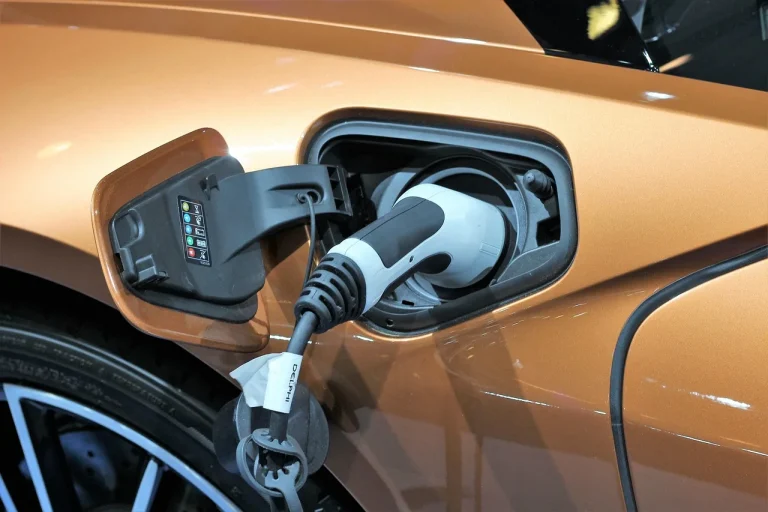
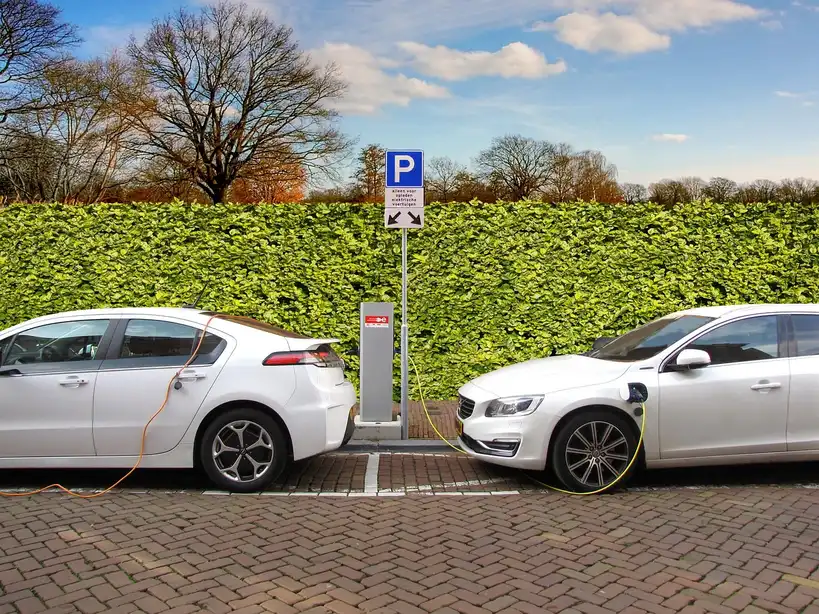
Most PHEVs use a charging cable and port with AC charging at home or at public chargers. Level 1 charging uses a regular household outlet, while Level 2 charging is faster and better for drivers who want to refill overnight or between errands.
Check your commute length. If your daily round trip is within the vehicle’s EV range, you can use more electric driving and less gasoline. If your commute is much longer, the plug-in advantage shrinks unless you can charge at work or during the day.
Match charging to routine. A home outlet or dedicated charger makes a PHEV much more useful. Without a regular charging habit, the plug-in system still works, but it cannot deliver the same savings or quiet low-speed electric driving.
Read the electric range label. EV range is the electric-only distance a PHEV can travel before the gas engine starts. That number matters most if you drive short trips, school runs, or a predictable commute.
A common first-timer mistake is assuming a plug-in hybrid is “electric all the time.” A PHEV can be driven with no charging on a given day, but if you ignore the charging port for weeks, you are mostly buying the battery weight, not the electric miles.
How do you tell HEV, PHEV, and EV apart?
The simplest clue is the charging port. A standard HEV usually has no routine charging port, while a PHEV and an EV do. Badges, trim names, and the presence of a charge flap are useful hints, but the window sticker or model specification is the surest check.
Ports, badges, and dashboard clues
- HEV: Often labeled with hybrid badges only. No routine charging cable is needed, and the dash usually focuses on battery assist or power flow rather than charging status.
- PHEV: Usually has a visible charging port and may show charge time, EV mode, or battery charge screens. Some brands add plug-shaped badges or a “plug-in” badge.
- EV: Has a charging port and no gas tank use for driving. The display centers on battery percentage, remaining range, and charge rate.
Battery size and electric-only range
Battery size is the other big clue. A conventional hybrid uses a smaller traction battery, which supports brief electric assist and low-speed operation. A PHEV uses a larger battery so it can cover a limited EV range before the engine starts.
An EV is different again. It relies on electricity for all driving, so the battery is far larger and charging is part of normal ownership, not an optional extra.
Which is better for your commute?
The better choice depends on two things: how far you drive and whether you can charge where you park. If you cannot charge regularly, a standard hybrid is usually the simpler fit. If your daily trips fit inside the EV range and you can plug in often, a PHEV can deliver more electric miles.
Short trips and home charging access
If most of your driving is short and predictable, a PHEV can do much of that work on electricity, which is where it shines. The key is making sure the battery gets recharged often enough to stay in that electric-friendly zone.
Long drives and occasional charging
If your routine includes long highway runs, irregular parking, or frequent road trips, a standard hybrid can be easier to live with. It still captures braking energy, still uses the electric motor for help, and still returns strong fuel savings without requiring plug-in habits.
Picture a driver with a 12-mile round trip, a garage outlet, and a second car for road trips. A PHEV fits that setup well because the trip can be covered within EV range on many days. Now picture a driver who parks on the street and regularly drives 90 miles at a stretch. That driver is usually better served by an HEV.
Choose HEV if… / Choose PHEV if…
Use this simple rule: choose an HEV if you want hybrid fuel savings with no plug-in routine, and choose a PHEV if you can charge often enough to use its electric range. The battery hardware is different for a reason, and the best match depends on how you drive.
- Choose HEV if… you want gas-only refueling, you park away from outlets, or you want a straightforward hybrid for commuting and errands.
- Choose HEV if… your driving is mixed and unpredictable, because the car will keep charging itself through braking and engine use.
- Choose PHEV if… your commute fits within the EV range and you can plug in at home, at work, or both.
- Choose PHEV if… you want electric driving for short trips but still want the gas engine for longer trips without planning a full EV charging routine.
Frequently asked questions
Do hybrid cars need to be plugged in?
Standard hybrids do not need to be plugged in. They recharge their traction battery through regenerative braking and engine use. Plug-in hybrids are different: they can run without charging, but plugging them in is what gives you their full EV range and the fuel-saving advantage most shoppers expect.
Do hybrids charge themselves while driving?
Yes, standard hybrids do. They recover energy during braking and use the internal combustion engine to help maintain battery charge. That is why an HEV can work without any charging cable, while still using a battery and electric motor in normal driving.
Can you plug in a hybrid car?
You can plug in only if it is a plug-in hybrid or an EV. A standard hybrid is not meant to use a plug as its routine charging source. If a car has a charge port and a stated EV range, it is usually a PHEV, not a regular hybrid.
What is the difference between a hybrid and a plug-in hybrid?
A hybrid uses a smaller battery and charges itself while you drive. A plug-in hybrid uses a larger battery, can drive farther on electricity alone, and needs external charging to deliver that full electric range. Both types can use the gas engine when battery charge is low or power demand rises.
Do plug-in hybrids work without charging?
Yes. A PHEV still drives if you never plug it in, because the gas engine can take over. The catch is that you lose most of the electric-only miles and much of the efficiency benefit, so it becomes more like a heavier hybrid than a true plug-in use case.
Are plug-in hybrids worth it?
They can be, but only if you charge them often enough to use their EV range. If your daily trips are short and you have easy charging access, a PHEV can make sense. If you cannot charge regularly, a standard hybrid is usually the cleaner choice.